







What's Happening?
The University of Illinois is marking 150 years of agricultural progress, highlighting its contributions to farming, food production, and sustainability. Central to this celebration are the Morrow Plots, established in 1876, which are the oldest continuously
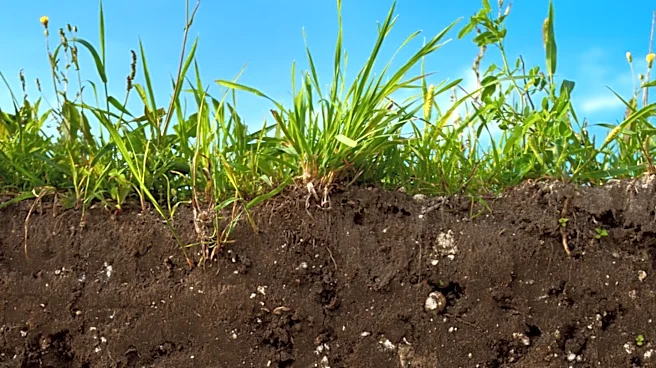
operating agricultural research fields in North America. These plots have been instrumental in studying crop production, soil health, and sustainable farming practices. The university is also involved in the Realizing Increased Photosynthetic Efficiency (RIPE) project, an international effort aimed at improving photosynthesis to increase crop yields and enhance food security. Additionally, the Sustainable Student Farm provides students with hands-on experience in environmentally responsible farming. These initiatives are part of a broader effort to address food insecurity and adapt crops to changing environmental conditions.
Why It's Important?
The University of Illinois' agricultural initiatives have significant implications for global food security and sustainable farming practices. The Morrow Plots provide long-term data that helps scientists and farmers understand agricultural system changes over time. The RIPE project aims to improve photosynthesis, potentially increasing crop yields and helping crops adapt to climate change. These efforts are crucial as they contribute to developing solutions for food insecurity and environmental challenges. The Sustainable Student Farm not only educates future agricultural professionals but also promotes local food production, which is vital for community resilience and sustainability.
What's Next?
The University of Illinois continues to advance its agricultural research and educational programs. The ongoing work in the Morrow Plots and the RIPE project will likely yield new insights and technologies that can be applied globally. The university's commitment to sustainable agriculture and food security suggests that it will remain a leader in these fields. Future developments may include expanded research collaborations and the implementation of new farming techniques that could benefit both local and international communities.