


What's Happening?
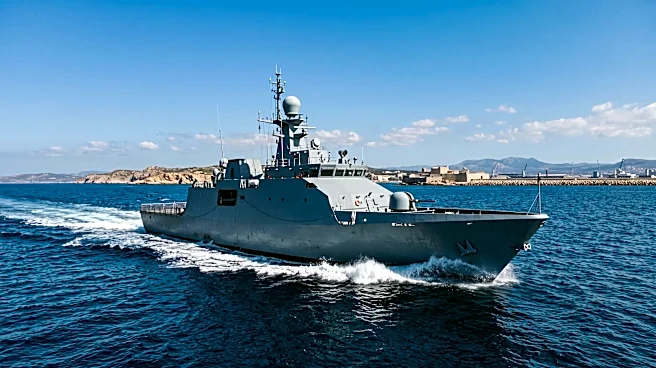
On October 23, 2026, the Turkish Ministry of Defense initiated a comprehensive force buildup program aimed at developing Syria’s naval capabilities. This program follows a series of meetings between commanders and naval vessel visits, signifying a deepening
of security ties between the two nations. The initiative encompasses several key areas: vessel maintenance, repair, and upgrades; the construction of new naval vessels; personnel training; and the development of port infrastructure. A delegation of senior Turkish Navy officials and representatives from ASFAT, a company under the Turkish Ministry of Defense, conducted technical assessments in Latakia to advance the Syrian Navy’s capabilities. This delegation included Istanbul Naval Shipyard Commander Erdinç Yetkin, Turkish Navy Logistics Chief Timur Yılmaz, and Turkish Navy Training and Education Commander Yücel Darcan. This move builds upon maritime cooperation that began in 2025, which included a Syrian Navy delegation's visit to Turkey to discuss long-term coordination and cooperation in maritime defense.
Why It's Important?
This force buildup program signifies a substantial increase in Turkish influence over Syria's military, particularly its naval forces. Syria's reliance on Turkey for critical aspects such as maintenance, training, and construction will inevitably shape the Syrian Navy's professional priorities and operational practices, fostering greater dependence on Turkey. The involvement of ASFAT, a defense industry company, also introduces an industrial dimension, linking Syria's reconstruction needs with Turkey's defense sector. This strategic partnership could enhance Turkey's regional standing and project its naval power further into the Eastern Mediterranean. For Syria, while it offers a path to rebuilding its naval capabilities, it also means ceding a degree of autonomy in its defense strategy to Turkey. This development could alter the balance of power in the region, potentially impacting other maritime actors and regional security dynamics.
What's Next?
The immediate next steps will involve the implementation of the outlined force buildup program, including the commencement of vessel maintenance and repair, the initiation of new vessel construction projects, and the establishment of training programs for Syrian naval personnel. Further development of port infrastructure in Syria is also anticipated. Continued visits by Turkish naval vessels and delegations are expected to oversee the progress and ensure the effective transfer of expertise and technology. This ongoing cooperation will likely lead to more integrated maritime operations and intelligence sharing between the two countries. The long-term trajectory suggests a more robust and modern Syrian Navy, albeit one heavily influenced by Turkish doctrine and capabilities. This could also pave the way for broader defense cooperation between Turkey and Syria in other military branches.
Beyond the Headlines
The deepening military cooperation between Turkey and Syria, particularly in naval development, carries significant geopolitical implications beyond immediate defense capabilities. This initiative could be seen as Turkey solidifying its strategic presence in the Eastern Mediterranean, a region of increasing geopolitical competition due to energy resources and maritime trade routes. For Syria, this partnership could offer a pathway to re-establish its sovereignty and security after years of conflict, but at the cost of increased reliance on a regional power. This could also lead to a re-evaluation of alliances and security arrangements by other regional and international actors. The industrial aspect, with ASFAT's involvement, suggests a long-term economic and military integration that could have lasting effects on both countries' defense industries and their respective roles in regional security. The ethical considerations of one nation significantly influencing another's military structure also come into play, particularly concerning long-term strategic alignment and potential future conflicts.