








What's Happening?
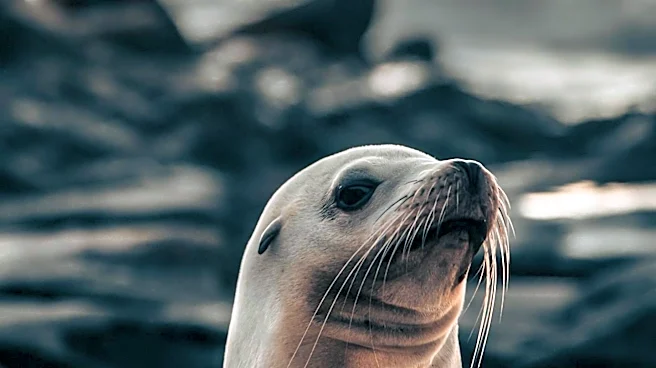
California sea lions are experiencing an alarming surge in domoic acid poisoning, also known as toxicosis, along the state's coast. This naturally occurring neurotoxin accumulates in fish and shellfish, which marine mammals then consume. The Marine Mammal
Center has already rescued over 100 sea lions this year, exceeding their typical annual average of 75 to 90 rescues. In a single week, teams responded to 30 rescues across coastal counties from Monterey to Sonoma. Experts from the Marine Mammal Center, like Giancarlo Rulli, note that this toxin's presence has become unpredictable, stretching across multiple seasons, whereas it was previously a seasonal disease seen primarily in the summer. This increase in sick marine mammals is serving as a direct warning to humans about potential ocean safety and seafood contamination risks.
Why It's Important?
The escalating number of sea lions suffering from domoic acid poisoning carries significant implications for human health and the seafood industry in California. Researchers emphasize that the health of marine mammals directly reflects environmental conditions that can impact human well-being. The unpredictability and expansion of these toxic outbreaks suggest a broader ecological shift that could affect the safety of locally sourced seafood. The California Department of Public Health has already responded by advising the public against consuming sport-harvested mussels along the state's coast and cautioning against eating razor clams in Humboldt County. This situation highlights the interconnectedness of marine ecosystems and human populations, indicating that environmental changes impacting wildlife can quickly translate into public health concerns and economic challenges for the fishing and shellfish industries.
What's Next?
Ongoing research will focus on understanding why the domoic acid outbreaks are expanding and becoming less seasonal. The Marine Mammal Center will continue its rescue efforts, and the California Department of Public Health is expected to maintain and potentially expand its advisories regarding shellfish consumption as toxin levels are monitored. Public awareness campaigns will likely be crucial, with organizations like the Marine Mammal Center advising beachgoers on how to identify sick sea lions and the importance of reporting sightings while maintaining a safe distance. Further testing of crabs, mussels, clams, and razor clams by state health officials will be critical to assess the full extent of contamination and inform future public health recommendations, potentially leading to more widespread warnings or restrictions on seafood harvesting.
Beyond the Headlines
The persistent and expanding nature of domoic acid poisoning in California's marine life points to deeper environmental shifts, possibly linked to climate change or other oceanic factors that influence algal blooms. This situation underscores the concept of 'sentinel species,' where the health of wildlife serves as an early warning system for broader ecological problems that could eventually affect human populations. The economic impact on local fisheries and tourism, particularly for coastal communities reliant on seafood, could be substantial if these toxic events become more frequent or severe. Ethically, it raises questions about human responsibility in monitoring and mitigating environmental changes that contribute to such outbreaks, and the need for robust public health infrastructure to respond effectively to these evolving threats.