








What's Happening?
US efforts to resolve the conflict with Iran faced a setback when a commercial vessel was seized near the United Arab Emirates. The ship, whose identity remains unclear, was taken 38 nautical miles off the UAE coast and is reportedly heading to Iran.
This incident occurs amidst increased vessel traffic through the Strait of Hormuz, a critical passage for global oil and gas supplies. The strait's effective closure since US and Israeli military actions against Iran began in February has disrupted energy markets. US Secretary of State Marco Rubio is urging China to influence Iran to reopen the strait, emphasizing the economic impact on countries reliant on exports to China. The US-Iran ceasefire, in place since April, is under strain, with Iran demanding the lifting of US sanctions and the unfreezing of assets as conditions for reopening the strait.
Why It's Important?
The seizure of the vessel near the UAE highlights the ongoing volatility in the Persian Gulf, a region crucial for global energy supplies. The closure of the Strait of Hormuz has already led to significant disruptions in oil markets, with prices rising sharply. The situation underscores the geopolitical tensions involving major powers like the US, China, and Iran. The US is seeking China's assistance to pressure Iran, reflecting the complex international dynamics at play. The outcome of these diplomatic efforts could have far-reaching implications for global energy security and economic stability, affecting countries worldwide that depend on oil and gas imports.
What's Next?
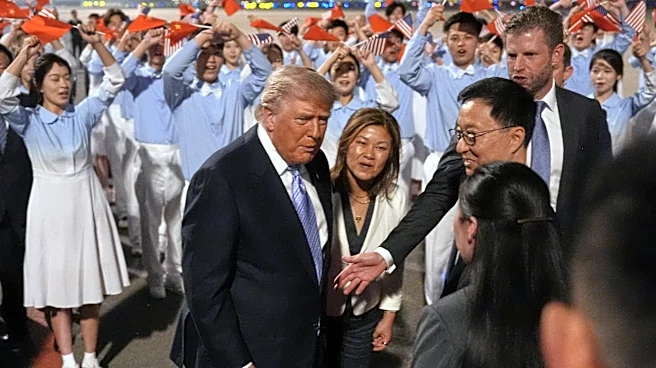
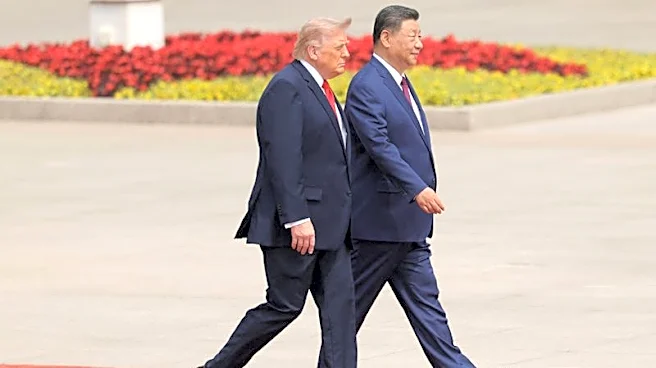
The US is likely to continue diplomatic efforts to resolve the conflict, with Secretary of State Rubio and President Trump engaging with Chinese leaders to leverage their influence over Iran. The situation remains fluid, with potential for further escalation if diplomatic solutions are not reached. The international community will be closely monitoring developments, particularly any changes in Iran's stance or actions in the Strait of Hormuz. The outcome of these negotiations could significantly impact global energy markets and international relations.