








What's Happening?
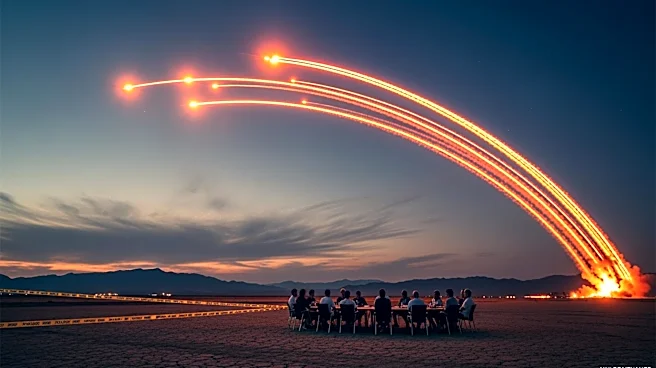
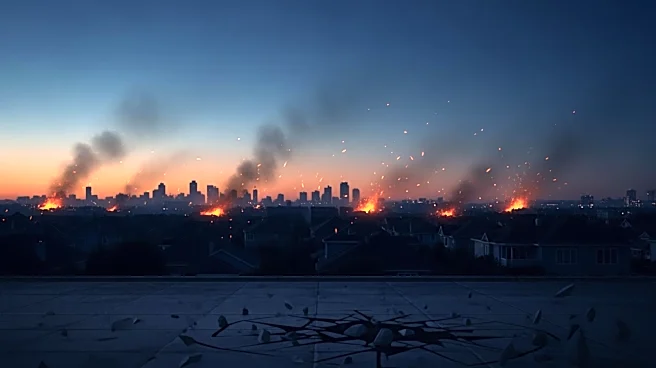
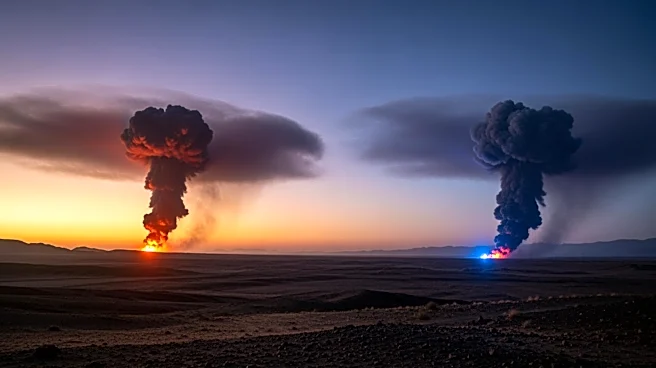
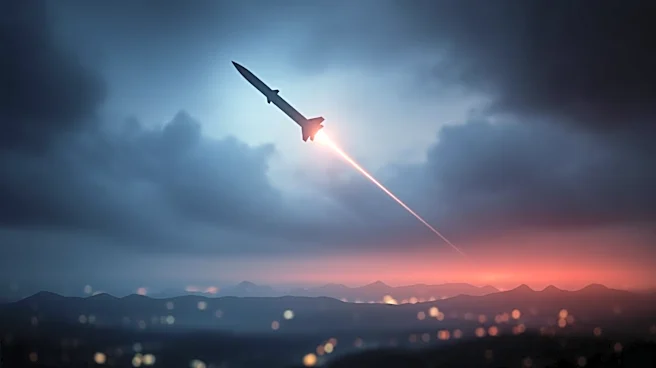
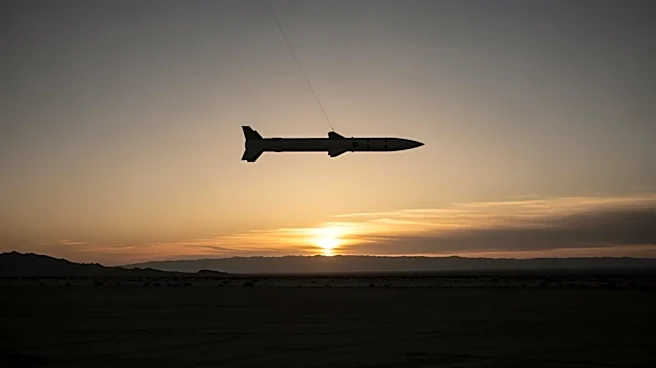
The conflict between the United States, Israel, and Iran has reached a critical point as missile strikes have resumed, breaking a two-month ceasefire. President Trump, who previously claimed to have urged Israel to refrain from escalating the situation,
now faces questions about his control over the conflict. The renewed hostilities mark the 101st day of the war, highlighting the fragile nature of the ceasefire and the ongoing tensions in the region. The situation has drawn attention to the complexities of U.S. foreign policy in the Middle East and the challenges of maintaining peace in a volatile environment.
Why It's Important?
The resumption of missile strikes between Israel and Iran underscores the delicate balance of power in the Middle East and the potential for further escalation. For the United States, this conflict poses significant foreign policy challenges, as it must navigate its alliances with Israel while managing tensions with Iran. The situation could impact U.S. diplomatic relations and influence its strategic interests in the region. Additionally, the conflict has broader implications for global security, as it could potentially draw in other nations and lead to a wider regional conflict. The ability of the U.S. to effectively manage this situation is crucial for maintaining stability in the Middle East.
What's Next?
The immediate future of the conflict remains uncertain, with potential for further escalation or renewed diplomatic efforts to restore the ceasefire. Key stakeholders, including the U.S., Israel, and Iran, may engage in negotiations to de-escalate tensions and prevent further military actions. The international community will likely monitor the situation closely, with potential involvement from global powers to mediate and facilitate peace talks. The outcome of these efforts will be critical in determining the future trajectory of the conflict and its impact on regional and global stability.