









What's Happening?
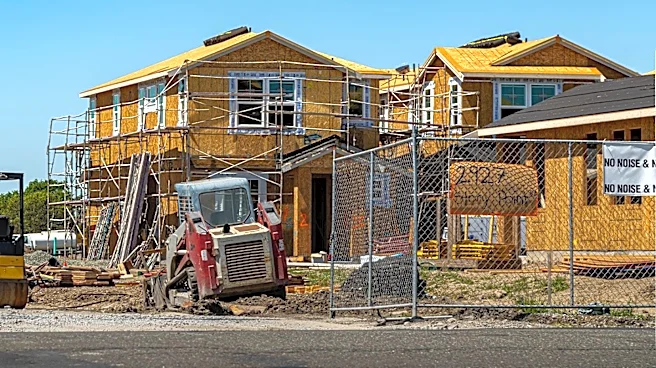
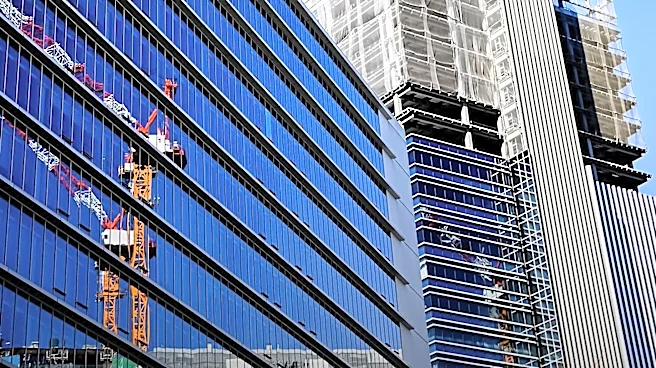
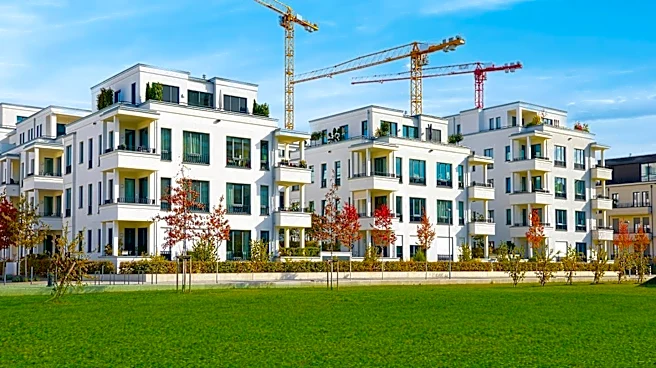
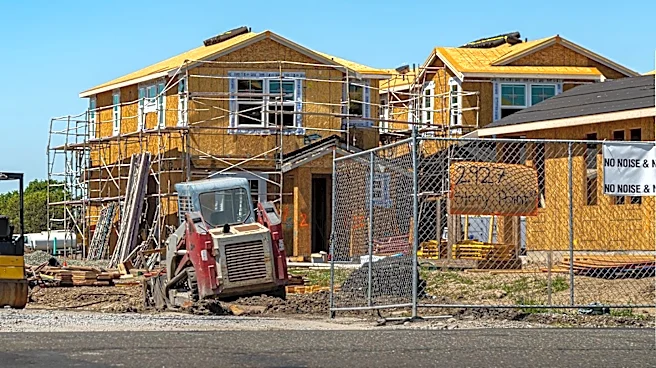
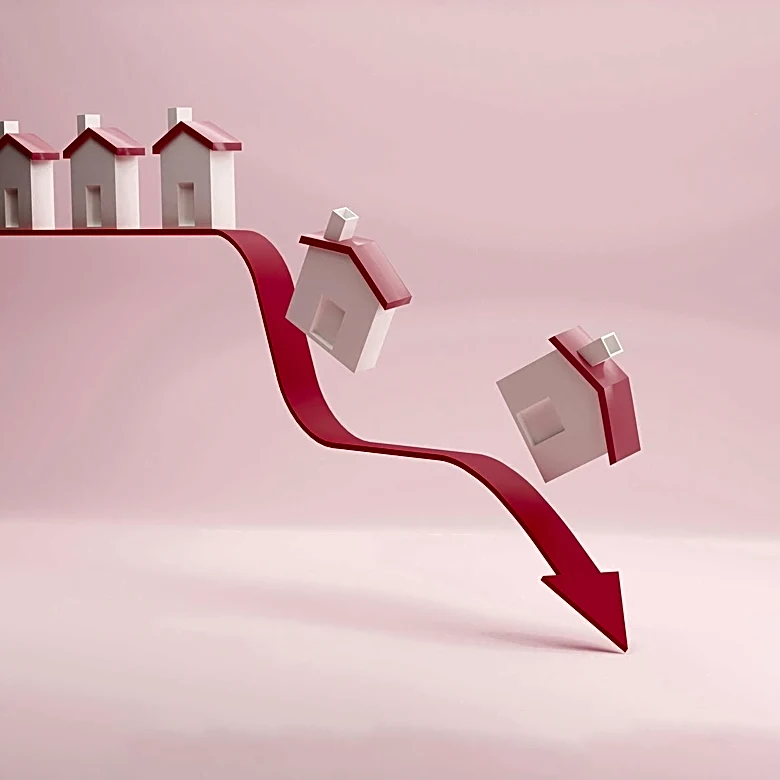
San Diego County is experiencing a record apartment vacancy rate of 6.2% as of June, sparking a debate on whether to slow down construction. The high vacancy rate follows a surge in new apartment buildings in 2025. While some argue that the region is not
facing a housing shortage, others believe that the vacancies are a temporary result of new constructions taking time to fill. Economists and local leaders are divided on the issue, with some advocating for continued construction to address long-term housing shortages, while others suggest a slowdown to prevent oversupply.
Why It's Important?
The debate over apartment construction in San Diego County highlights broader issues of housing affordability and urban planning. Rising vacancies could indicate that supply is beginning to meet demand, potentially leading to lower rents and increased affordability. However, the region still faces significant housing challenges, with high costs driving out-migration and affecting economic growth. The outcome of this debate could influence housing policies and development strategies, impacting the local economy and residents' quality of life.
What's Next?
San Diego County officials and developers will need to carefully monitor housing market trends to make informed decisions about future construction. The current vacancy rates may lead to policy adjustments aimed at balancing supply and demand. Continued dialogue among stakeholders, including economists, developers, and community leaders, will be crucial in shaping the region's housing strategy. The focus may also shift towards developing more affordable housing options and addressing regulatory barriers to construction.
Beyond the Headlines
The situation in San Diego County reflects a larger national conversation about urban development and housing policy. As cities grapple with similar challenges, the outcomes in San Diego could serve as a case study for other regions. The debate underscores the importance of sustainable urban planning that considers economic, social, and environmental factors. It also highlights the need for innovative solutions to address housing affordability and ensure equitable access to housing.