



What's Happening?
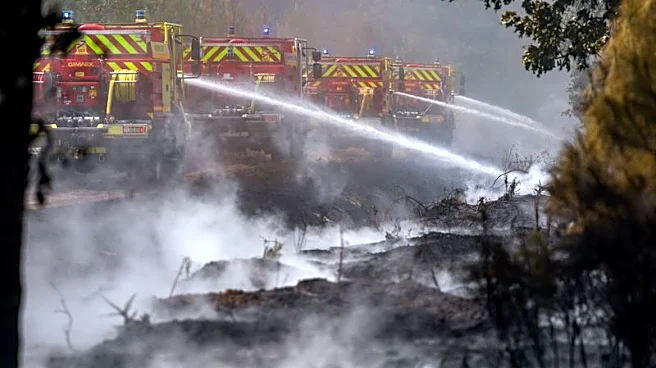
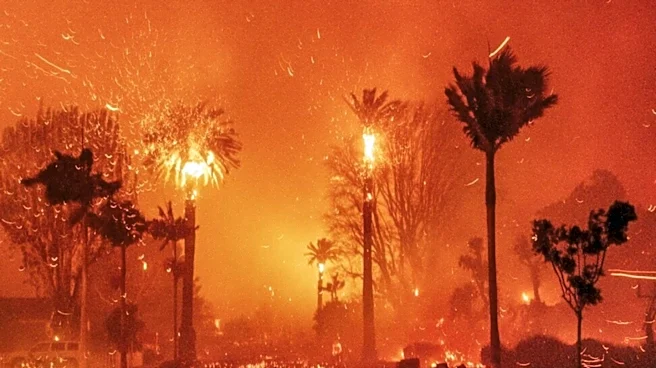
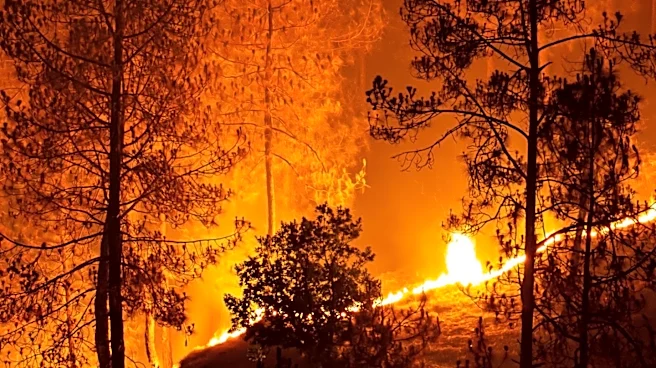
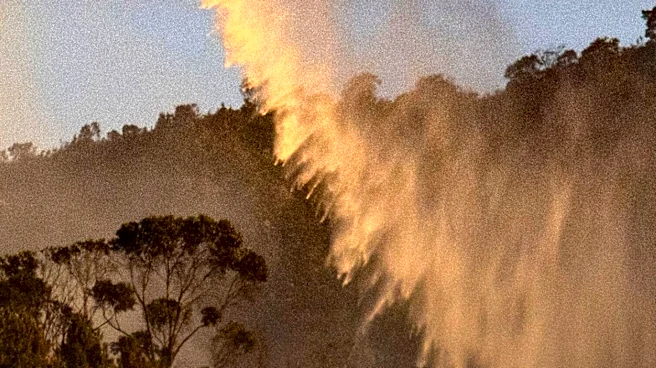
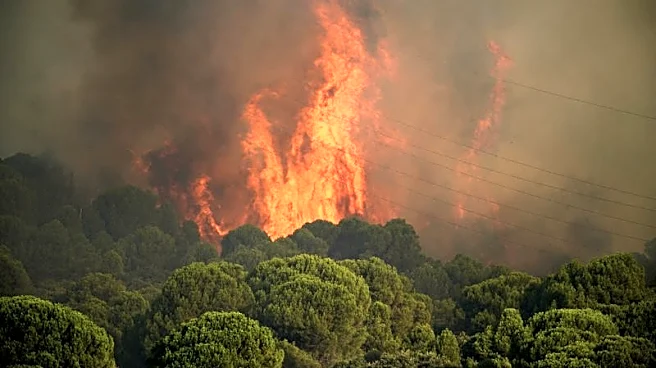
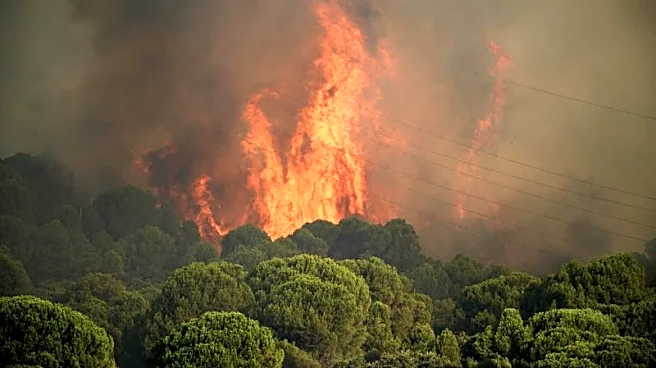
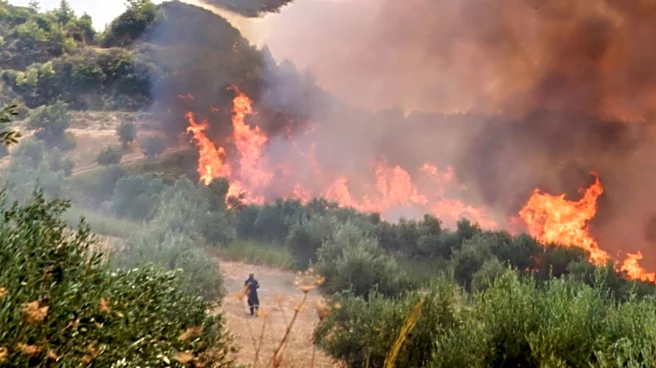
Spanish Prime Minister Pedro Sánchez has emphasized the increasing impact of climate change on the frequency and intensity of wildfires. Speaking at a climate conference, Sánchez described the current wildfires in Spain and France as a painful manifestation
of the climate emergency, which is making wildfires more voracious and heatwaves more frequent. The wildfires have already burned over 741,000 acres and led to the evacuation of hundreds of thousands of people. Sánchez stressed the need for urgent adaptation strategies and accelerated green transitions to address these challenges. The European Commission is also planning to propose a comprehensive adaptation strategy in October to better prepare for the consequences of climate change.
Why It's Important?
The wildfires in Spain and France highlight the urgent need for effective climate change mitigation and adaptation strategies. The increasing frequency and intensity of such natural disasters pose significant threats to public safety, economic stability, and environmental sustainability. The situation underscores the importance of international cooperation and policy reform to address the root causes of climate change and enhance resilience against its impacts. The response to these wildfires could set a precedent for how European countries manage climate-related emergencies in the future.
What's Next?
The European Commission is expected to propose a new adaptation strategy in October, which will likely include measures to enhance resilience against climate change impacts. This strategy could involve increased funding for firefighting resources, improved land management practices, and stronger regulations to reduce greenhouse gas emissions. The ongoing wildfires may also prompt further discussions among European leaders on the need for coordinated action to address climate change and its consequences.
Beyond the Headlines
The wildfires serve as a stark reminder of the broader implications of climate change, including its potential to exacerbate social inequalities and disrupt economic activities. Vulnerable communities are often the hardest hit by such disasters, highlighting the need for inclusive and equitable climate policies. Additionally, the wildfires could influence public opinion and political discourse on climate change, potentially leading to increased support for environmental initiatives and policy reforms.