
What's Happening?
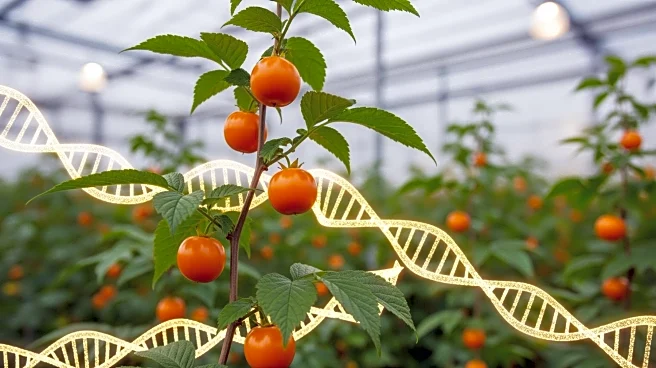
Scientists from Cold Spring Harbor Laboratory, Johns Hopkins University, and the Boyce Thompson Institute have successfully used CRISPR gene editing to optimize goldenberries for large-scale farming. The
goldenberry, a relative of the tomato and a member of the nightshade family, is known for its sweet, pineapple-like flavor and nutritional benefits. Traditionally, these plants have been difficult to cultivate on a large scale due to their unruly growth habits. By targeting the ERECTA genes responsible for stem length, researchers have developed more compact plants that are easier to manage and harvest. This advancement could significantly increase the availability of goldenberries, promoting dietary diversity and expanding their presence in global markets.
Why It's Important?
The development of more manageable goldenberry plants through CRISPR technology represents a significant step forward in agricultural innovation. As the global population continues to grow and climate change impacts food production, creating resilient and high-yield crops is crucial. The ability to cultivate goldenberries on a larger scale could lead to increased food diversity and security. Additionally, this breakthrough may pave the way for similar advancements in other underutilized crops, potentially enhancing their resistance to diseases, pests, and environmental stresses. The economic implications are also notable, as this could lead to new market opportunities and job creation within the agricultural sector.
What's Next?
The research team has already received clearance from the U.S. Department of Agriculture, confirming that the edited goldenberry varieties are not plant pests. They are now seeking approval from the U.S. Food and Drug Administration to proceed with commercial production. Future plans include expanding this gene-editing approach to other crops and exploring additional traits such as increased fruit size and enhanced resistance to environmental challenges. If successful, these efforts could further revolutionize agricultural practices and contribute to sustainable food production.