






What's Happening?
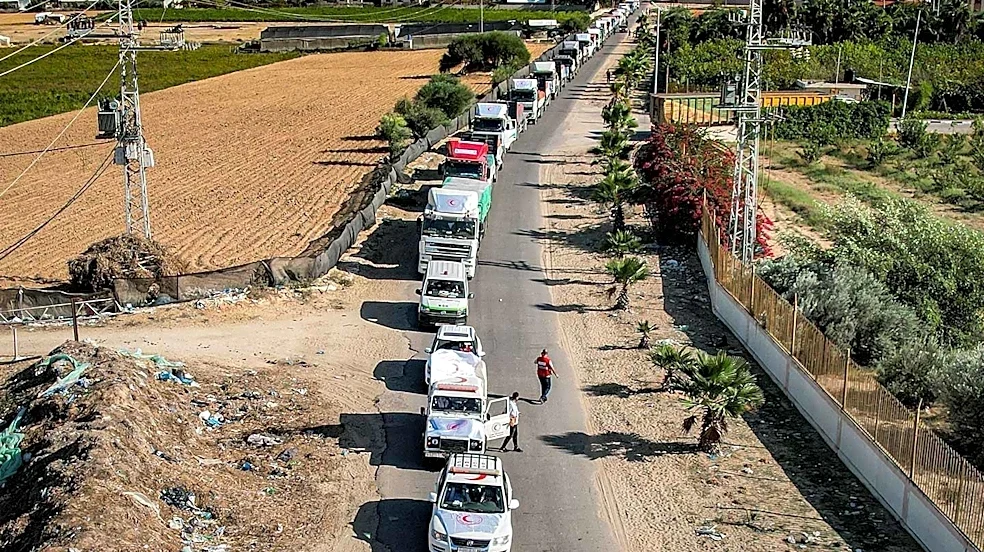
UNICEF has issued a warning that recent progress in combating malnutrition in Gaza is precarious and could be reversed if supplies to the Palestinian enclave are disrupted. The UN children's agency emphasized the critical need for all crossings to remain
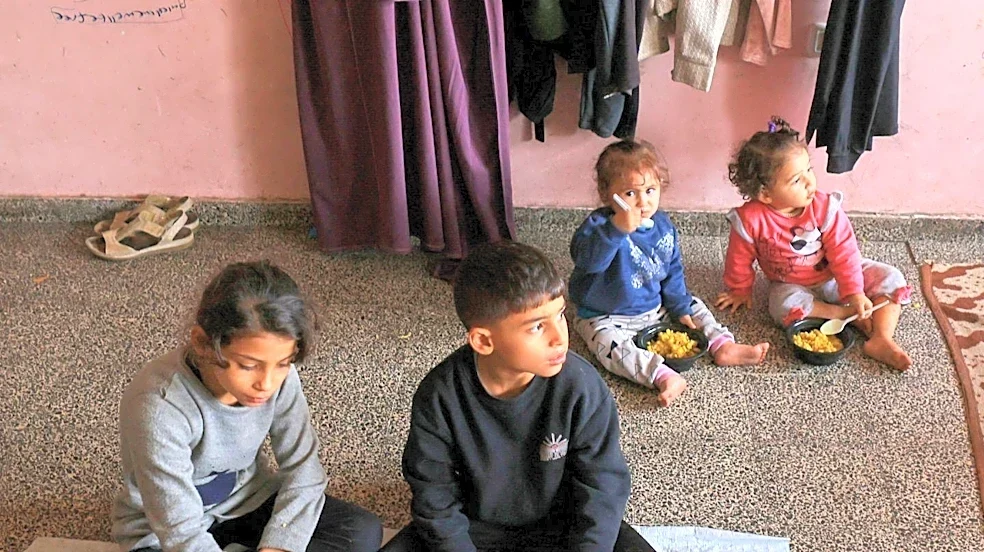
open to ensure a continuous flow of aid. According to UNICEF's latest report, a significant portion of young children in Gaza are suffering from malnutrition. Specifically, one in eight children under the age of five is affected by chronic malnutrition, indicating long-term nutritional deficiencies. Furthermore, the report highlights that only one in three children under two years old receives an adequate diet, underscoring widespread dietary insufficiencies among the youngest population. These findings suggest that while some gains have been made, the nutritional status of children in Gaza remains highly vulnerable to any interruptions in humanitarian and commercial supplies.
Why It's Important?
The fragility of malnutrition gains in Gaza carries significant humanitarian and public health implications. A reversal of these gains would lead to a worsening of health outcomes for thousands of children, increasing rates of illness, developmental delays, and mortality. For the U.S., this situation contributes to broader regional instability and humanitarian crises, which often necessitate increased international aid and diplomatic efforts. The U.S. is a major donor to humanitarian causes globally, and a deteriorating situation in Gaza could place further demands on its resources and foreign policy agenda. Moreover, the ongoing humanitarian crisis can fuel political tensions and complicate efforts towards peace and stability in the Middle East, impacting U.S. strategic interests in the region. The well-being of children in Gaza is a critical indicator of the overall humanitarian situation, and any setback could have long-lasting societal consequences.
What's Next?
The immediate next steps involve sustained international pressure to ensure that all supply routes into Gaza remain open and unimpeded. Humanitarian organizations, including UNICEF, will likely continue to advocate for consistent access and increased aid to prevent a backslide in nutritional progress. Governments, including the U.S., may face calls to exert diplomatic influence to facilitate the delivery of essential goods and to support humanitarian operations. Monitoring the nutritional status of children in Gaza will be crucial, with ongoing assessments determining the effectiveness of aid efforts and identifying areas of greatest need. The international community will also need to address the underlying causes of supply disruptions, which could involve political negotiations and security guarantees to ensure the safe passage of humanitarian convoys. The response from various stakeholders will dictate whether the fragile gains can be maintained or if the region will face a more severe humanitarian crisis.
Beyond the Headlines
Beyond the immediate concern of supply disruptions, the persistent fragility of malnutrition gains in Gaza points to deeper systemic issues. The reliance on external aid for basic necessities highlights the ongoing challenges related to economic development, infrastructure, and political stability within the enclave. This situation raises ethical questions about the responsibility of international actors and regional powers in ensuring the fundamental rights of children, including the right to adequate nutrition. Long-term implications could include a generation of children suffering from chronic health problems and impaired cognitive development, which would have profound societal and economic consequences for Gaza for decades to come. The recurring nature of these humanitarian warnings also underscores the need for sustainable solutions that go beyond emergency aid, focusing on long-term development and self-sufficiency to build resilience against future crises.