


What's Happening?
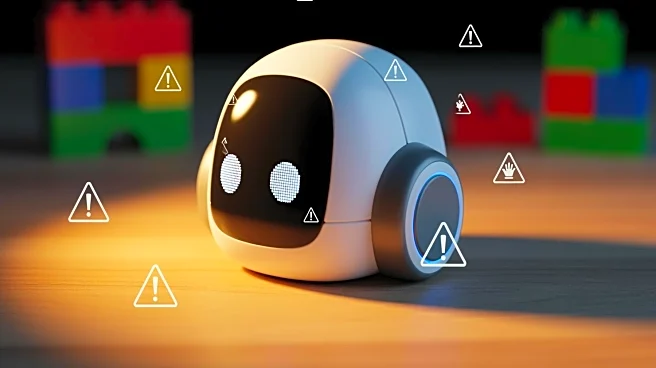
A report by the U.S. Public Interest Research Group Education Fund (PIRG) has highlighted that over two dozen toys marketed online claim to use AI models from companies like OpenAI and Google, despite these companies having age restrictions on their AI products.
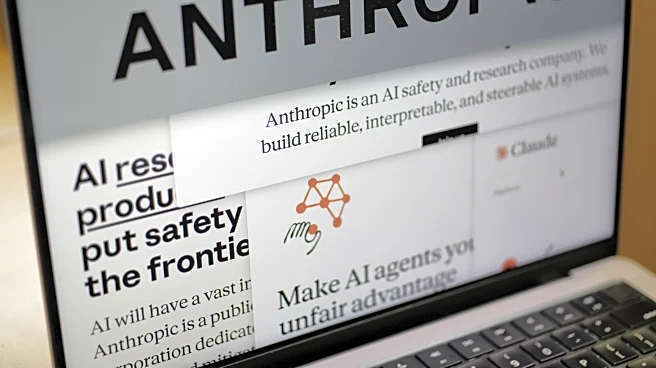
These toys, which are reportedly powered by leading AI models, appear to exploit a gap in AI companies' policies regarding age restrictions. While AI companies have strict policies against the use of their models by minors, developers building on these models often do not face similar restrictions. PIRG was able to access developer platforms from Google, OpenAI, and xAI without substantive vetting, raising concerns about the oversight of AI use in children's products.
Why It's Important?
The findings raise significant safety concerns about the use of AI in children's toys. AI companies have established age restrictions to protect minors from potentially harmful interactions with AI chatbots. However, the lack of stringent oversight on developers using these AI models in toys could undermine these protections. This situation highlights a potential loophole in AI policy enforcement, where developers can create products for children without adequate safety measures. The implications are serious, as children could be exposed to inappropriate content or interactions through these AI-powered toys.
What's Next?
The report may prompt AI companies to reevaluate their policies and enforcement mechanisms to ensure that their models are not used inappropriately in children's products. There could be increased scrutiny and potential regulatory actions to close the gaps in current policies. AI companies might need to implement more rigorous vetting processes for developers and establish clearer guidelines to prevent misuse of their technology in products aimed at minors.
Beyond the Headlines
This issue underscores the broader ethical and regulatory challenges in the rapidly evolving AI landscape. As AI technology becomes more integrated into consumer products, especially those for children, there is a pressing need for comprehensive policies that address safety and ethical concerns. The situation also highlights the responsibility of both AI companies and toy manufacturers to ensure that their products do not exploit vulnerable populations for profit.