


What's Happening?
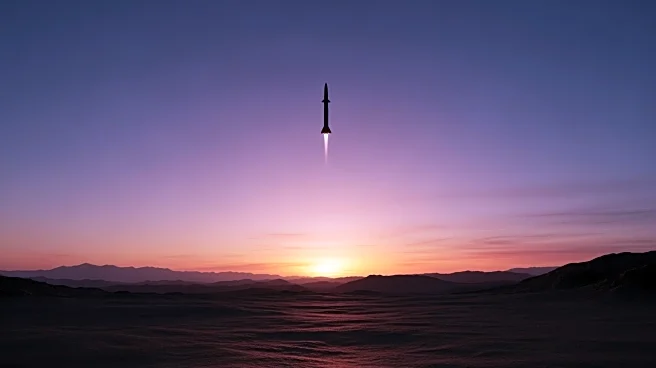
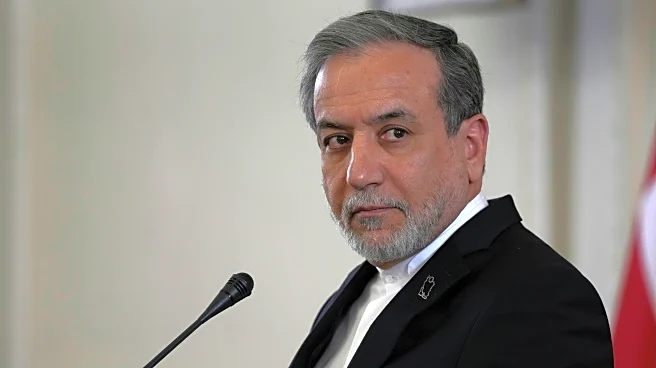
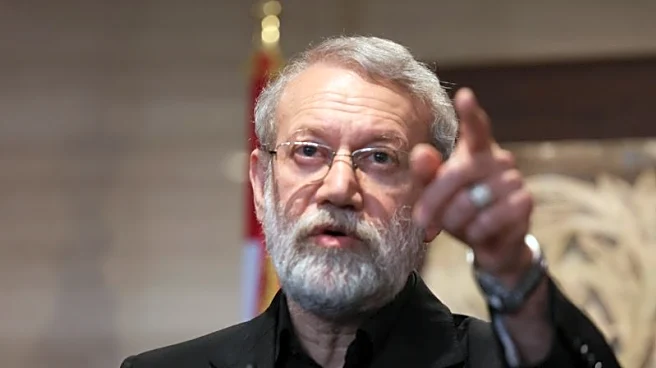
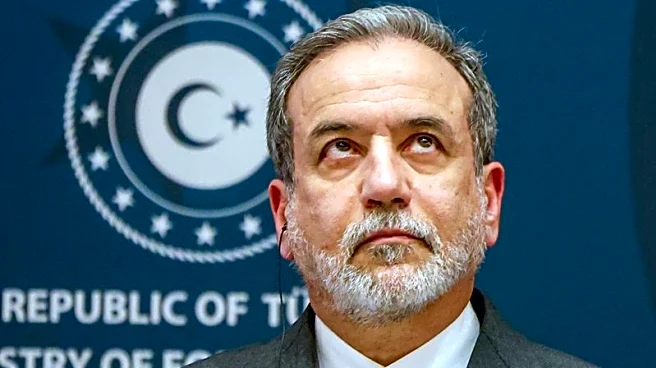
The United States and Iran have resumed indirect nuclear negotiations in Oman, with significant disputes over the scope of the talks. Iran insists on maintaining its uranium enrichment and ballistic missile program, which conflicts with US demands for
zero enrichment and missile restrictions. The Jerusalem Post highlights that these negotiations could pressure Israel, as Iran's capabilities continue to advance. The editorial suggests that Israel should maintain a full-spectrum strategy, including intelligence and economic measures, to counter Iran's dual-track approach of negotiation and capability building. The ongoing talks risk repeating past mistakes by treating the nuclear issue in isolation, leaving Israel vulnerable to Iran's broader threat architecture.
Why It's Important?
The outcome of these negotiations holds significant implications for regional stability and Israel's security. If the US softens its stance, Israel may face increased threats from Iran's missile capabilities and proxy networks. The editorial argues that Israel must leverage its strategic options to maintain security, as Iran's internal unrest could lead to external aggression. The situation underscores the complexity of balancing diplomatic efforts with military preparedness, as regional actors like Hezbollah and Hamas gauge Israel's resolve. The broader geopolitical dynamics could shift, affecting US-Israel relations and the strategic calculus in the Middle East.
What's Next?
Israel is likely to continue its strategic preparations while monitoring the progress of US-Iran talks. The editorial suggests that Israel should not rely solely on diplomatic timelines but maintain readiness for potential military action if necessary. The evolving situation may prompt further coordination with international partners to address the multifaceted threat posed by Iran. As negotiations progress, Israel's security planners will need to assess the implications of any agreements reached and adjust their strategies accordingly.