
What's Happening?
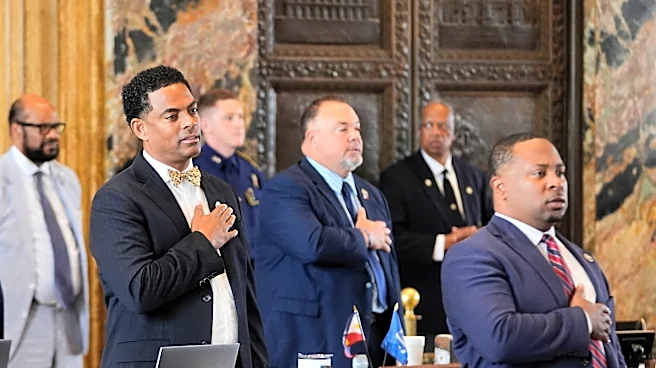
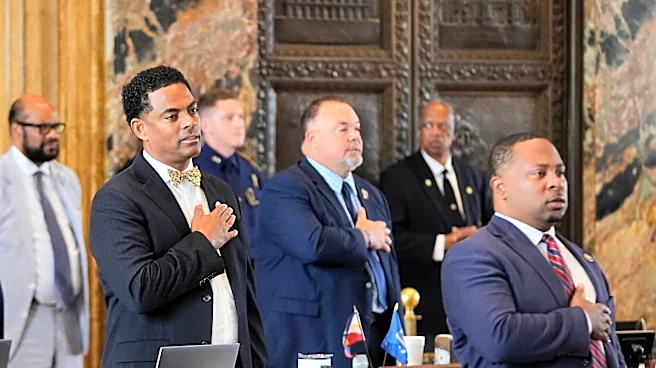
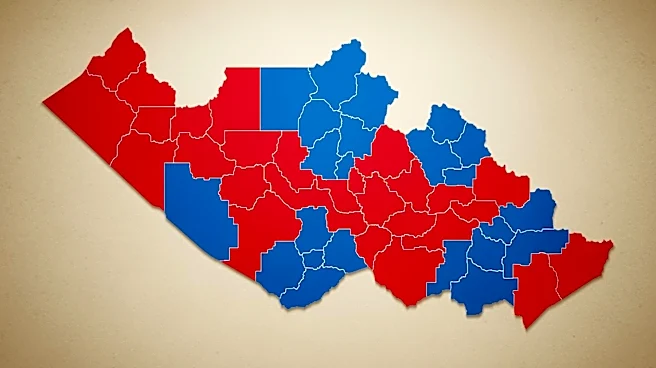
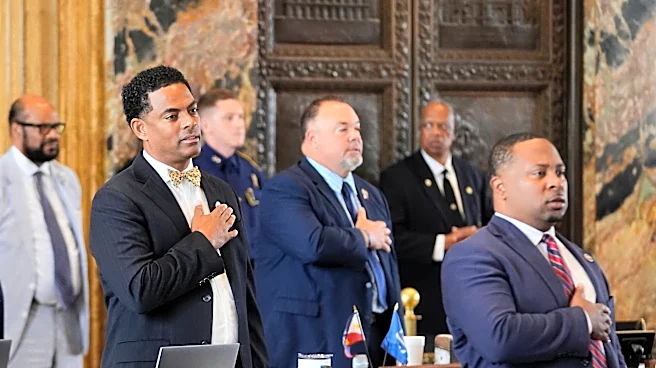
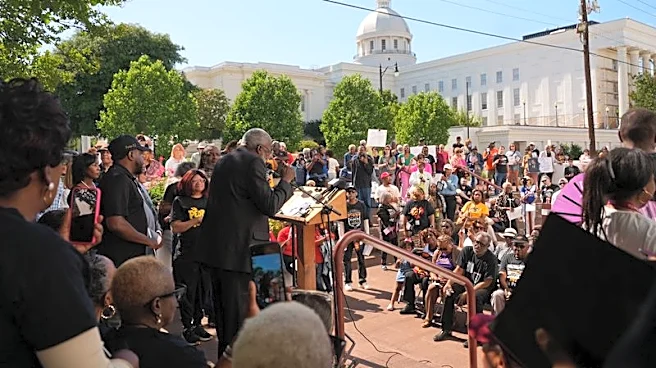
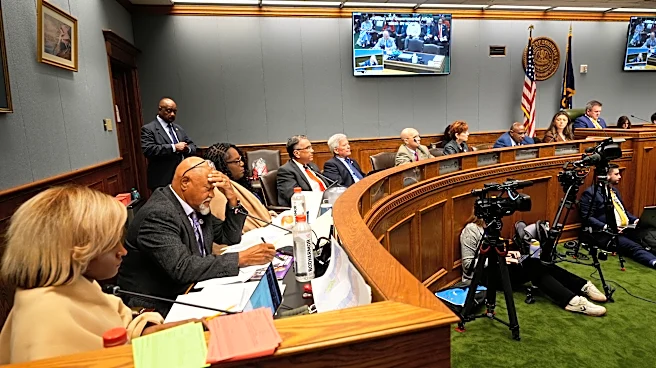
Louisiana lawmakers have passed a new congressional map that is designed to increase Republican representation by adding an additional GOP seat. This decision comes after the U.S. Supreme Court struck
down the previous map, citing it as an illegal racial gerrymander. The new map reduces the number of majority-Black districts from two to one, both of which were previously represented by Democrats. The map was signed into law by Republican Governor Jeff Landry following its approval by the state's Republican-controlled legislature. The redistricting effort is part of a broader strategy by Republican-led states to capitalize on a weakened Voting Rights Act, aiming to secure a stronger hold in the U.S. House of Representatives.
Why It's Important?
The redistricting in Louisiana is a critical development in the ongoing national battle over congressional district lines, which has significant implications for the balance of power in the U.S. House. By potentially increasing Republican seats, the new map could influence legislative priorities and the political landscape in upcoming elections. The reduction of majority-Black districts raises concerns about fair representation and the potential disenfranchisement of minority voters. This move reflects a broader trend among Republican-controlled states to redraw district lines in their favor, which could lead to further legal challenges and debates over the integrity of the electoral process.
What's Next?
The new map is expected to face legal challenges, particularly from civil rights groups and Democratic lawmakers who argue that it constitutes racial gerrymandering. The American Civil Liberties Union of Louisiana has already indicated the possibility of a lawsuit. As the legal battles unfold, the map's impact on the upcoming elections will be closely watched. The decision also sets a precedent for other states considering similar redistricting efforts, potentially leading to a wave of legal and political disputes across the country. The outcome of these challenges could have lasting effects on the interpretation and enforcement of the Voting Rights Act.