


What's Happening?
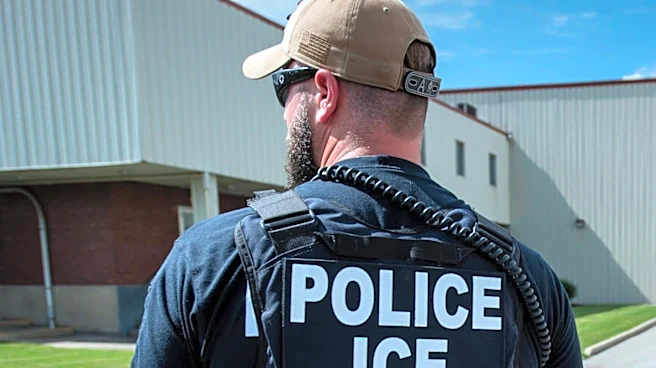
U.S. Immigration and Customs Enforcement (ICE) carried out five arrests on Tuesday across San Mateo County, California. These arrests were confirmed by alerts from Faith in Action Bay Area, an immigrant rights organization that manages the Rapid Response
Hotline for the county, and the San Mateo County Office of Community Affairs. Two arrests occurred in East Palo Alto, one at a Chevron gas station at 6 a.m. and another on Woodland Avenue at 9:45 a.m. A third arrest took place at 10 a.m. in the parking lot of a Dollar Tree and Home Depot in San Carlos. Additionally, two individuals were arrested in the city of San Mateo, one at Chavez Supermarket at 7:45 a.m. and another on South Idaho Street at 11 a.m. Faith in Action Bay Area reported that ICE enforcement has recently intensified in the county, with at least 16 people detained by ICE within the last 10 days. The organization also noted a consistent ICE presence outside the Maguire Correctional Facility in Redwood City since Friday.
Why It's Important?
These arrests by ICE in San Mateo County highlight ongoing immigration enforcement activities within the U.S. and their direct impact on local communities. The increased frequency of detentions, as reported by Faith in Action Bay Area, suggests a heightened level of enforcement that can create fear and uncertainty among immigrant populations and their families. This situation underscores the critical role of rapid response networks and community organizations in providing legal support and resources to those affected. The presence of ICE agents in public spaces like supermarkets and gas stations can disrupt daily life and raise concerns about civil liberties. For local governments, such as San Mateo County's Office of Community Affairs, these events necessitate active communication and support for their residents. The lack of immediate comment from ICE, as noted in the report, can contribute to a lack of transparency and public understanding regarding enforcement operations. This ongoing tension between federal immigration enforcement and local community advocacy groups reflects broader national debates on immigration policy and enforcement strategies.
What's Next?
Faith in Action Bay Area has already activated emergency legal support for the detained individuals and is in contact with their families, indicating that legal challenges and advocacy efforts are underway. The organization continues to urge the public to report any ICE activity to their Rapid Response Hotline, suggesting that community vigilance and support will remain crucial. It is likely that immigrant rights groups will continue to monitor ICE operations closely and advocate for policy changes or increased protections for immigrants. The heightened enforcement could lead to further community organizing, protests, or calls for local and state officials to intervene or provide sanctuary. Depending on the outcomes of these arrests and any subsequent legal proceedings, there could be broader discussions about the scope and methods of immigration enforcement in California and potentially across the nation. The situation may also prompt local legislative efforts to provide additional safeguards or resources for immigrant communities.
Beyond the Headlines
The arrests in San Mateo County extend beyond immediate legal and community impacts, touching upon deeper ethical and social considerations. The targeting of individuals in public spaces raises questions about the balance between national security and individual rights, particularly for those without documented status. The role of community organizations like Faith in Action Bay Area underscores the growing reliance on civil society to fill gaps in support and advocacy for vulnerable populations. This situation also reflects the complex and often contentious nature of immigration policy in the U.S., where federal mandates intersect with local community values and needs. The emotional and psychological toll on families and communities affected by these arrests can be profound, leading to long-term social fragmentation and distrust. Furthermore, the economic implications, such as potential labor shortages or disruptions to local businesses that employ immigrant workers, could also become a point of discussion. These events serve as a microcosm of the broader national debate on immigration reform, enforcement, and the integration of immigrant communities into American society.