




What's Happening?
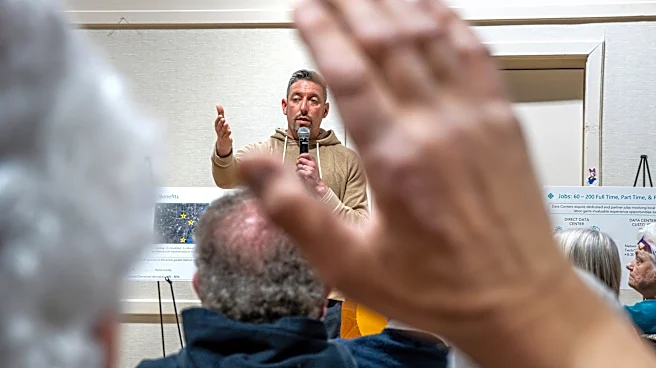
A 14-year-old Cambodian-American girl was removed by Lowell Police from a public forum discussing the future of data centers in the city. The incident, captured on video and widely shared on social media, occurred at the end of a contentious meeting held
at Butler Middle School. The girl, identified by the pseudonym 'EY' to protect her identity, had attempted to speak after the moderator announced the meeting was over, feeling she had not been given an opportunity to ask a question. Her removal led to a wave of online posts, many of which contained hate-filled language targeting her ethnic background. The forum, organized by the city’s Department of Planning and Development, aimed to gather information on zoning changes related to data centers, specifically addressing concerns from residents living near a Markley Group LLC facility about noise, air quality, and construction issues. EY, who described herself as politically aware, attended the meeting alone after her friends found the topic uninteresting.
Why It's Important?
This incident highlights significant issues regarding freedom of speech, community engagement, and the treatment of minors in public forums, particularly when ethnic identity becomes a target of online harassment. The removal of a young, minority voice from a public discussion about local development raises questions about equitable access to civic participation and the responsibilities of authorities in managing public discourse. The subsequent online targeting of the girl's ethnic background underscores the pervasive nature of hate speech and its impact on individuals and communities. Furthermore, the controversy brings attention to the broader challenges cities face in balancing economic development, such as data centers, with community concerns about environmental impact and quality of life, especially in economically vulnerable neighborhoods. The event also reflects a growing trend of youth engagement in local politics and environmental issues, and the potential barriers they face.
What's Next?
The Lowell Police Department has released body camera footage and an incident report documenting EY's removal, which will likely be subject to public scrutiny and further discussion regarding police protocols at public meetings. The incident may prompt a review of how public forums are managed, particularly concerning time limits for speakers and the handling of unexpected interventions. Community groups and advocates for free speech and civil rights may continue to raise awareness about the incident and advocate for policies that protect participants, especially minors, from harassment and ensure inclusive public discourse. EY herself has expressed continued interest in the data center issue and hopes to spread awareness among her peers, suggesting ongoing youth activism on the topic. The city may also face renewed pressure to address the zoning and environmental concerns related to data centers, potentially leading to policy changes or increased community dialogue.
Beyond the Headlines
The incident delves into deeper societal implications concerning the intersection of race, age, and civic participation in the digital age. The immediate and virulent online backlash targeting EY's Cambodian-American heritage reveals the persistent challenge of racial prejudice and the ease with which it can be amplified through social media. This event could serve as a case study for examining how local governance navigates public dissent, particularly from marginalized groups, and the ethical considerations involved in maintaining order versus protecting free expression. It also underscores the psychological impact of such experiences on young individuals, potentially shaping their future engagement with civic processes. The broader context of data center expansion and its environmental footprint in residential areas raises questions about sustainable urban planning and environmental justice, highlighting the tension between technological advancement and community well-being. The incident may also spark discussions on media literacy and the responsibility of online platforms in moderating hate speech.