






What's Happening?
Peru's interim President José María Balcázar has decided to defer a $3.5 billion deal for U.S. F-16 fighter jets to his successor, leading to the resignation of the country's defense and foreign ministers. Balcázar, who was appointed by lawmakers in February,
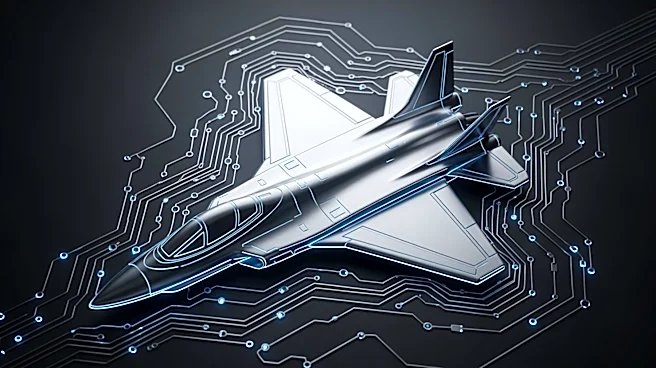
stated that as a temporary leader, he lacks the legitimacy to commit to such a significant purchase. The decision has sparked controversy, with Defense Minister Carlos Díaz and Foreign Minister Hugo de Zela stepping down in protest. Díaz expressed concerns that postponing the purchase could compromise Peru's interests, while De Zela accused Balcázar of misleading the public about the contract. Despite Balcázar's stance, officials from the Ministry of Defense signed the contract for the aircraft purchase. The deal, initially announced in 2024, involves domestic borrowing to finance the acquisition of 24 fighter jets from Lockheed Martin, among other bidders.
Why It's Important?
The deferral of the fighter jet deal highlights the challenges faced by transitional governments in making long-term commitments. The resignations of key ministers underscore the internal disagreements within Peru's government regarding defense priorities and international relations. The decision could impact Peru's military capabilities and its relationship with the United States, especially given the U.S. Ambassador's warning of potential measures if Peru undermines U.S. interests. The situation also reflects broader issues of governance and political stability in Peru, which has seen frequent changes in leadership and ongoing corruption investigations. The outcome of the upcoming presidential runoff could further influence Peru's defense strategy and its diplomatic ties with major international partners.
What's Next?
The upcoming presidential runoff in June will determine the successor to interim President Balcázar, who will inherit the decision on the fighter jet deal. The new administration will need to address the concerns raised by the resigning ministers and evaluate the implications of the deferred purchase. The U.S. may closely monitor the situation, potentially adjusting its diplomatic approach based on Peru's actions. The political landscape in Peru remains uncertain, with ongoing vote counting and scrutiny of election results. The new president's stance on defense and foreign policy will be crucial in shaping Peru's future relations with the U.S. and other international stakeholders.