



What's Happening?
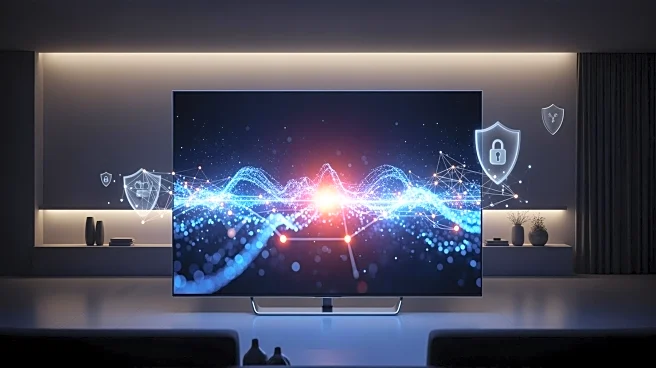
Smart TVs from major manufacturers like Samsung and LG are increasingly using Automatic Content Recognition (ACR) technology to track viewing habits. This technology collects detailed data on what users watch, how long they watch, and even their interactions
with the TV, often without their explicit knowledge. The data is used for targeted advertising and analytics, raising significant privacy concerns. Many users unknowingly consent to this data collection through lengthy privacy agreements during the TV setup process. The option to disable ACR is often buried deep within the settings, making it difficult for users to opt out.
Why It's Important?
The widespread use of ACR technology in smart TVs highlights the growing tension between technological convenience and privacy. As more devices become 'smart,' the potential for data collection increases, raising questions about user consent and data security. This issue is particularly relevant as consumers become more aware of and concerned about their digital privacy. The data collected by smart TVs can create detailed profiles of users, which could be exploited by advertisers and potentially lead to privacy breaches. This situation underscores the need for clearer privacy policies and more transparent data practices.
What's Next?
As awareness of these practices grows, there may be increased pressure on manufacturers to provide clearer privacy options and make it easier for users to control their data. Regulatory bodies could also step in to enforce stricter data protection standards. Consumers might begin to demand more privacy-focused products, influencing market trends and encouraging companies to prioritize user consent and data security. This could lead to a shift in how smart devices are designed and marketed, with a greater emphasis on privacy features.