



What's Happening?
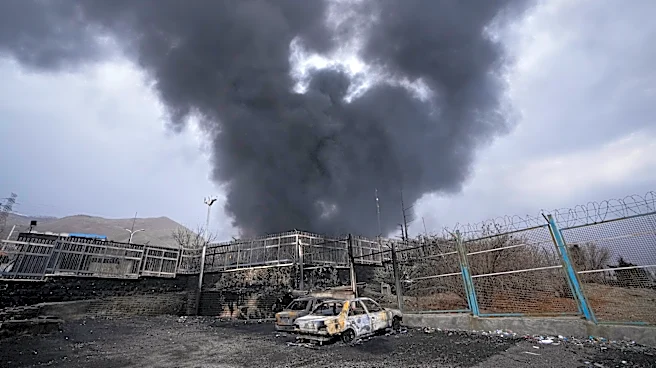
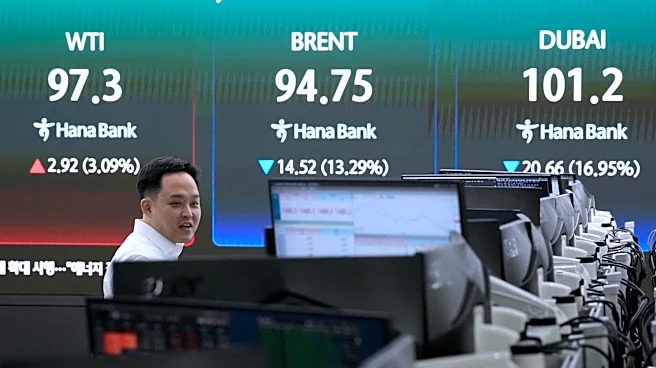
The ongoing conflict involving Iran has led to a significant increase in fuel prices across the United States, prompting many drivers to cut back on travel. The war has disrupted oil supplies, particularly affecting the Strait of Hormuz, a critical passage
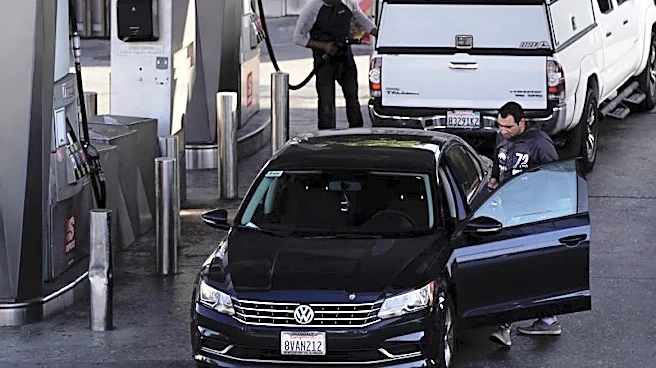
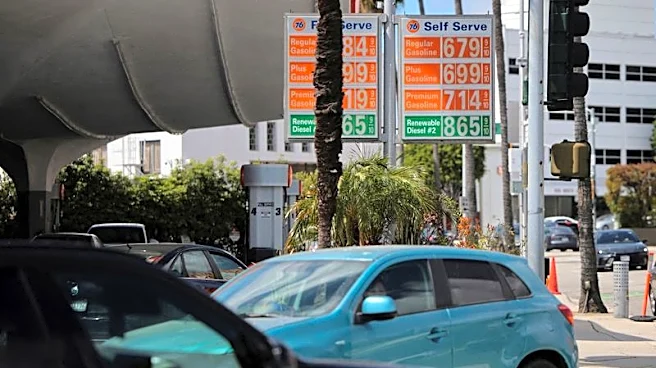
for Middle Eastern oil. As a result, gasoline prices have surged, with the national average reaching $4.16 per gallon and diesel prices hitting $5.67 per gallon. This increase has led to a substantial rise in fuel expenditures for consumers, with an estimated $10.4 billion more spent on gasoline and diesel compared to the same period last year. The impact is felt nationwide, with individuals like Houston-based trucker Eddie Esquivel experiencing a near doubling of weekly fuel costs.
Why It's Important?
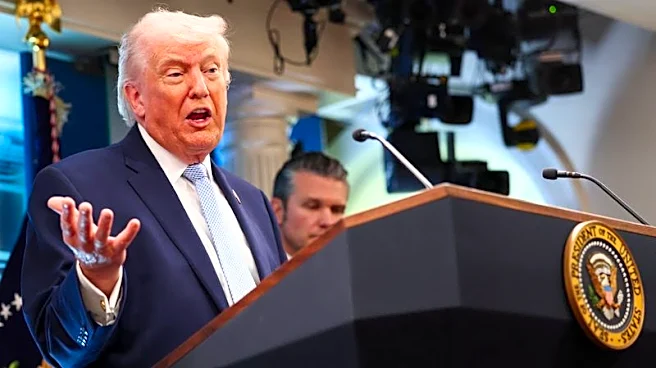
The rise in fuel prices has significant economic and political implications in the U.S. As the largest consumer of fuel globally, the U.S. economy is sensitive to such fluctuations. The increased costs are straining household budgets and affecting consumer behavior, with many opting to reduce travel or switch to more fuel-efficient vehicles. Politically, the situation is impacting public opinion, with President Trump's approval ratings declining as voters associate the administration with rising energy costs. The situation underscores the vulnerability of global oil markets to geopolitical tensions and the potential for such conflicts to influence domestic politics and economic stability.
What's Next?
Negotiations between the U.S. and Iran are set to take place in Pakistan, aiming to establish a permanent ceasefire. However, even if successful, analysts predict that fuel prices will not return to pre-conflict levels quickly. The geopolitical risk premium is expected to persist, keeping prices elevated. This ongoing situation may continue to influence U.S. domestic politics, particularly with upcoming midterm elections, as energy costs remain a critical issue for voters. The potential for further economic strain could lead to increased calls for alternative energy solutions and policy changes to mitigate future disruptions.