







What's Happening?
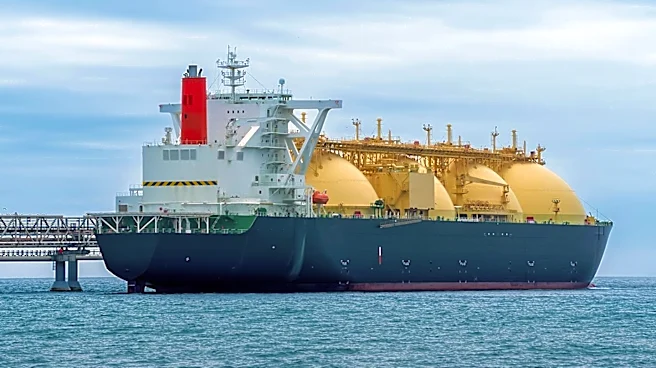
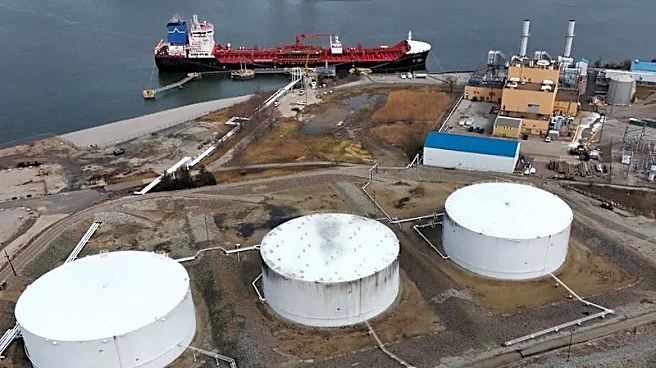
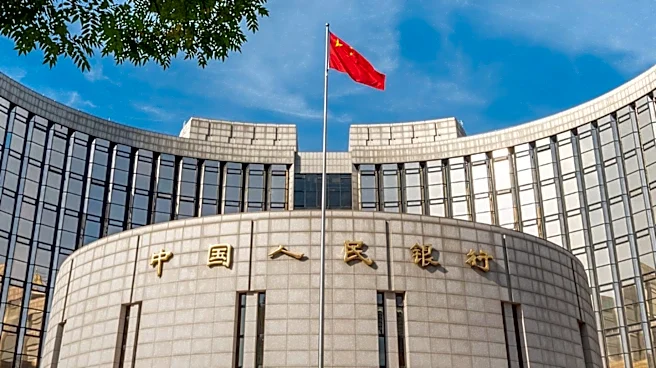
China has significantly reduced its oil imports, cutting them by half compared to prewar levels, which has helped keep global oil prices from skyrocketing despite the closure of the Strait of Hormuz. This unexpected move by the world's largest oil importer
has left experts puzzled about how China is meeting its energy needs without increasing imports. Theories suggest that China might be tapping into secret oil reserves or coordinating with other countries to manage its energy supply. The reduction in Chinese demand has prevented a severe price shock in the global oil market.
Why It's Important?
China's decision to cut oil imports has major implications for the global energy market, affecting supply and demand dynamics. By reducing its imports, China has helped stabilize oil prices, which could have otherwise surged to unprecedented levels. This move also highlights China's potential influence over global energy markets and its ability to impact international economic stability. The situation underscores the interconnectedness of global economies and the strategic importance of energy resources in geopolitical contexts.
Beyond the Headlines
The reduction in oil imports by China raises questions about its long-term energy strategy and geopolitical intentions. Some experts speculate that China might be using this opportunity to demonstrate its resilience to energy shocks or to gain leverage in international relations. The situation also points to the potential for China to wield significant influence over global oil prices, which could have far-reaching consequences for international trade and economic policies. Understanding China's motivations and strategies in this context is crucial for anticipating future developments in the global energy landscape.