
What's Happening?
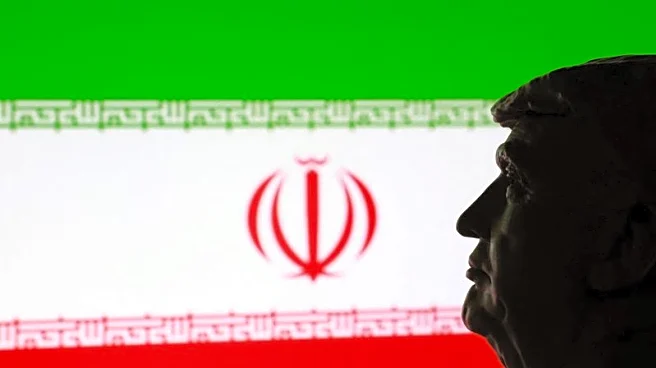
Israel has communicated to the United States its opposition to a military strike on Iran, arguing that such an action would not achieve the goal of regime change in Tehran. Israeli officials believe that while
a strike could inflict damage and disrupt military infrastructure, it would not lead to the collapse of the Iranian regime. This perspective aligns with President Trump's decision not to proceed with military action, which was seen as avoiding a campaign without a clear strategic outcome. In response, the U.S. is increasing its military presence in the region, deploying aircraft carriers and reinforcing air defense systems, while also focusing on identifying internal vulnerabilities within Iran that could destabilize the regime. The U.S. is considering forming a credible political alternative to ensure strategic goals are met.
Why It's Important?
The decision by Israel to oppose a U.S. strike on Iran highlights the complexity of military interventions and their potential consequences. A strike without a clear path to regime change could lead to prolonged conflict and instability in the region. The U.S. strategy to build up military presence and explore internal vulnerabilities within Iran reflects a shift towards a more comprehensive approach that includes diplomatic and political considerations. This development is significant for U.S. foreign policy and regional stability, as it could influence future military and diplomatic actions in the Middle East. The focus on regime change rather than mere military disruption underscores the importance of strategic planning in international relations.
What's Next?
The U.S. is expected to continue its military buildup in the Persian Gulf, with further deployments and intelligence operations aimed at destabilizing the Iranian regime. Israel remains on high alert, refining its defense and offensive capabilities in preparation for potential conflict. The introduction of new F-35 fighter jets into the Israeli Air Force is part of this preparation. The U.S. and its allies may also work towards establishing a political alternative in Iran to ensure a viable path to regime change. The situation remains fluid, with ongoing assessments and adjustments to strategies based on developments in the region.
Beyond the Headlines
The opposition to a military strike by Israel and the subsequent U.S. strategy highlight the ethical and strategic considerations in international military interventions. The focus on regime change rather than immediate military action reflects a long-term approach to regional stability. This situation also raises questions about the role of military power versus diplomatic efforts in achieving political objectives. The potential for regime change in Iran could have significant cultural and political implications, affecting not only Iran but also its relations with neighboring countries and the broader international community.