






What's Happening?
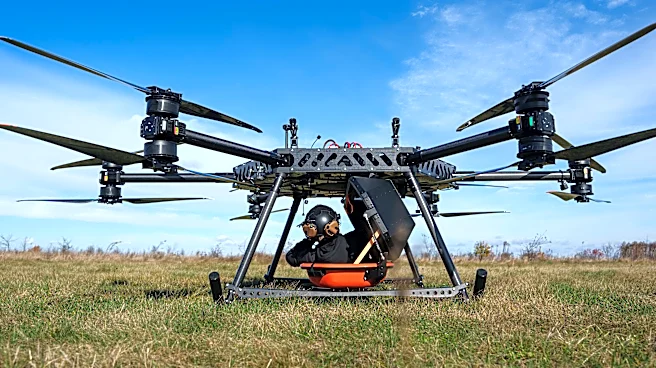
Nigeria has called for legally binding international rules to govern autonomous weapons, citing concerns that increasingly affordable military technologies could empower terrorist organizations and threaten global peace. Ambassador Martin Adamu, Nigeria’s
Deputy Permanent Representative to the UN, made this appeal at the United Nations General Assembly’s First Committee, which focuses on disarmament and international security. Adamu emphasized that the declining cost, availability, and ease of replication of autonomous weapons pose new security risks. He advocated for negotiations on a legally binding international instrument that includes explicit prohibitions and regulations for lethal autonomous weapons systems, stressing that meaningful human control must remain central to decisions involving the use of force. Nigeria also expressed concern about the integration of artificial intelligence into nuclear weapons systems, insisting on human judgment and control in all nuclear weapon decisions.
Why It's Important?
Nigeria's stance highlights a growing international concern regarding the rapid advancement of autonomous weapons technology and its potential implications for global security. The proliferation of such weapons, especially if they fall into the hands of non-state actors, could destabilize regions and escalate conflicts, making international peace harder to maintain. The call for legally binding rules underscores the urgency of establishing ethical and regulatory frameworks before these technologies become widespread and uncontrollable. Furthermore, Nigeria's emphasis on human control in both autonomous and nuclear weapons systems reflects a fundamental ethical debate about delegating life-and-death decisions to machines. This initiative could galvanize broader international discussions and push for concrete actions within the UN, potentially leading to new treaties or conventions that shape the future of warfare and arms control.
What's Next?
Nigeria has submitted two draft resolutions on disarmament and the illicit trafficking of small arms and light weapons on behalf of ECOWAS member states, urging other UN member states to support these proposals. Ambassador Adamu also called for countries to support the early entry into force of the Comprehensive Nuclear-Test-Ban Treaty. The upcoming Seventh Review Conference of the Convention on Certain Conventional Weapons is expected to provide a mandate for negotiations on the proposed instrument for autonomous weapons. Nigeria will continue to advocate for stronger international cooperation to prevent illicit arms diversion and trafficking and address risks associated with emerging weapons technologies. The international community will likely see continued debates and diplomatic efforts at the UN and other forums to establish norms and regulations for these advanced weapon systems.
Beyond the Headlines
The debate over autonomous weapons and AI in warfare extends beyond immediate security concerns, touching upon profound ethical, legal, and philosophical questions. The concept of 'meaningful human control' is central, as it challenges the traditional understanding of accountability in conflict. If machines can make lethal decisions, who is responsible for unintended consequences or war crimes? This issue also raises questions about the nature of warfare itself and whether humanity is prepared for a future where conflicts could be waged with minimal human intervention. The integration of AI into nuclear weapons systems, in particular, introduces an unprecedented level of risk, as the speed and complexity of AI-driven decisions could bypass human oversight, potentially leading to accidental escalation. Nigeria's advocacy underscores the need for a global ethical framework that prioritizes human values and control in the development and deployment of advanced military technologies, preventing a potential arms race in autonomous systems.