




What's Happening?
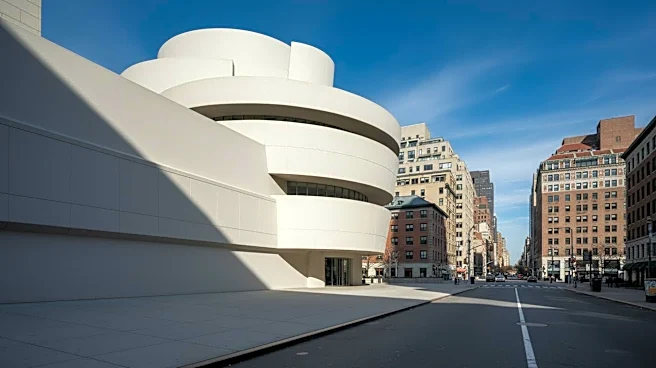
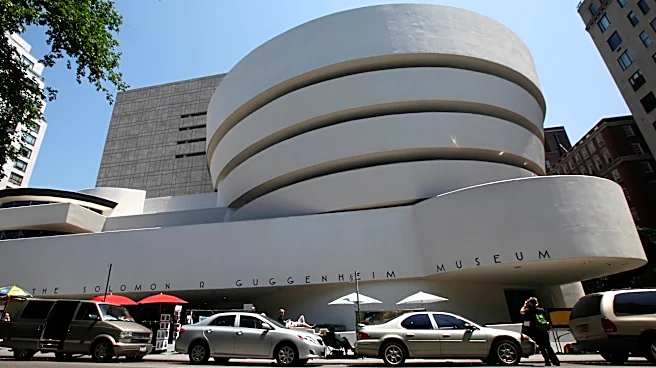
The Solomon R. Guggenheim Museum in New York City is among several buildings on Manhattan's Upper East Side that have tested positive for the bacteria causing Legionnaires' disease. The New York City Health Department has identified 31 buildings that need
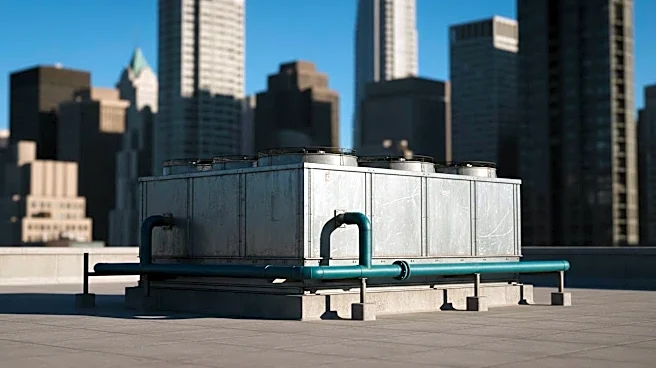
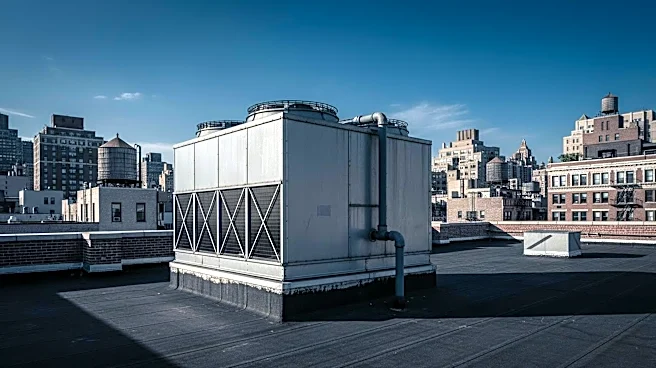
to clean and disinfect their cooling towers due to the outbreak. The Guggenheim, a UNESCO World Heritage site designed by Frank Lloyd Wright, has already completed the necessary remediation. City officials clarified that a positive test does not confirm a building as the outbreak's source, as tests cannot differentiate between live and dead bacteria. The museum has not been closed and continues regular testing and treatment of its cooling tower. Over 50 people have been diagnosed with the disease in this cluster, with fewer than 20 still hospitalized. No fatalities have been reported.
Why It's Important?
The outbreak of Legionnaires' disease in a prominent area of New York City highlights the ongoing public health challenges posed by this bacterial infection. The disease, a severe form of pneumonia, can have significant health impacts, particularly on vulnerable populations such as older adults and those with weakened immune systems. The involvement of a high-profile institution like the Guggenheim Museum underscores the need for rigorous maintenance and monitoring of building water systems to prevent such outbreaks. This situation also raises awareness about the importance of public health infrastructure and the role of city health departments in managing and mitigating disease outbreaks.
What's Next?
The affected buildings are expected to complete their cleaning and disinfection processes promptly. The New York City Health Department will likely continue monitoring the situation closely to prevent further spread. Public health officials may also increase efforts to educate building owners and the public about the risks and prevention of Legionnaires' disease. As the city addresses this outbreak, there may be calls for more stringent regulations and oversight of building water systems to prevent future occurrences.
Beyond the Headlines
This outbreak may prompt a broader discussion about urban infrastructure and public health preparedness. The need for regular maintenance and testing of water systems in large buildings could become a focal point for policy discussions. Additionally, the incident may lead to increased public awareness and concern about the safety of public spaces, potentially influencing future architectural and engineering practices to prioritize health and safety.