



What's Happening?
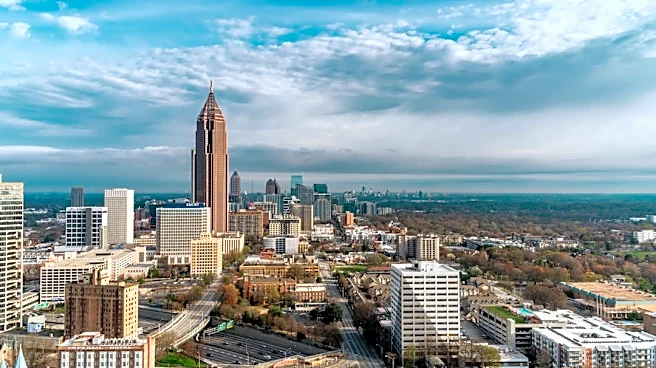
The General Services Administration (GSA) is actively seeking between 73,290 and 76,955 square feet of contiguous office space in Atlanta, Georgia. This requirement includes a public-facing area with approximately eight offices and a waiting area, which
must be located on the first floor or visibly accessible from the elevator lobby. The specified location for the building is within a delineated area bounded by Interstate 285 to the North, East, and West, and Interstate 20 to the South. A crucial condition for the prospective property is its proximity to public transportation, requiring it to be within a half-walkable mile, or alternatively, a nearby public parking garage within a quarter-mile for employees. The GSA mandates a fully serviced lease and strict adherence to various federal standards, including fire safety, accessibility, seismic resilience, and sustainability. Additionally, the chosen site must not be situated within a 0.2-percent-annual-chance floodplain. Expressions of interest from potential lessors are due by October 5, 2026, with an estimated occupancy target of Fall 2029. The GSA has provided contact information for GSA Broker Contractors Brad Seifert and Hunter Powell for submissions.
Why It's Important?
This significant real estate acquisition by the GSA in Atlanta underscores the federal government's ongoing need for substantial physical infrastructure to support its operations and public services. The demand for a large, contiguous office space with specific public-facing requirements highlights the GSA's commitment to maintaining accessible and efficient government services for citizens in the region. The emphasis on compliance with fire safety, accessibility, seismic, and sustainability standards reflects a broader federal initiative to ensure modern, safe, and environmentally responsible facilities. This move could stimulate the commercial real estate market in Atlanta, particularly within the specified delineated area, potentially leading to new development or significant renovations of existing properties. For local businesses and residents, the establishment of a new federal office could mean increased economic activity, job creation, and enhanced access to government resources. The long-term lease requirement also provides stability for the chosen property owner and contributes to the local tax base, reinforcing Atlanta's role as a key regional hub for federal operations.
What's Next?
Following the October 5, 2026, deadline for expressions of interest, the GSA will proceed with a market survey, estimated to occur in October or November 2026. This survey will involve a detailed evaluation of the submitted properties to ensure they meet the stringent requirements outlined in the solicitation. Prospective lessors will need to provide comprehensive information, including building name and address, contact details, available square footage, and proposed full-service rental rates. Submissions from representatives other than the property owner or manager must include written consent from the ownership. The GSA will then engage in a selection process, with the goal of securing a suitable location for an estimated occupancy in Fall 2029. This timeline suggests a thorough vetting process, including potential negotiations and finalization of lease agreements, to ensure the chosen facility aligns with all federal guidelines and operational needs. The successful acquisition will pave the way for the relocation or expansion of federal services in Atlanta.
Beyond the Headlines
The GSA's detailed requirements for this Atlanta office space extend beyond mere square footage, reflecting evolving federal priorities in urban planning and public service delivery. The mandate for proximity to public transportation or a public parking garage indicates a strategic focus on accessibility for both federal employees and the public, potentially reducing reliance on private vehicles and supporting urban transit systems. The exclusion of properties within a 0.2-percent-annual-chance floodplain highlights a proactive approach to climate resilience and risk management in federal infrastructure planning, aiming to safeguard government operations from environmental hazards. Furthermore, the requirement for sustainability standards aligns with broader federal environmental goals, promoting energy efficiency and reduced ecological footprints in government buildings. This procurement is not just about leasing office space; it's a reflection of the federal government's commitment to modern, resilient, and accessible public infrastructure that serves both its workforce and the American populace effectively, while also influencing local development patterns and environmental considerations.