





What's Happening?
U.S. Secretary of Agriculture Brooke Rollins announced an investment of over $325 million across 42 projects nationwide through the Regional Conservation Partnership Program (RCPP). This initiative aims to assist farmers, ranchers, and forest landowners
in enhancing their operations while conserving natural resources. The RCPP pairs private investment with federal funds to achieve better results, with 75% of this year's funding directly supporting American farmers or covering conservation practice implementation costs. Secretary Rollins emphasized the Trump USDA's commitment to providing farmers with the necessary tools for food production and ensuring a prosperous future for American farmlands. The program has been improved to reduce red tape and increase flexibility, empowering local partners to conserve natural resources and support farmer prosperity. Projects include initiatives like the Lake Decatur Targeted Soil Health and Water Quality Initiative in Illinois, which addresses agricultural runoff, and the Iowa Cattle and Conservation Working Lands Program, which aims to improve water quality and rebuild the U.S. cattle herd.
Why It's Important?
This significant investment by the USDA is crucial for the sustainability and resilience of American agriculture. By funding projects that address soil health, water quality, and wildlife habitat, the RCPP helps farmers adopt practices that improve land health, enhance resource management, and promote sustainable agriculture. This directly benefits the environment by reducing nutrient runoff, improving water quality, and restoring habitats for at-risk wildlife. Economically, the program supports producer profitability and strengthens grazing systems, contributing to the rebuilding of the U.S. cattle herd and ensuring the long-term viability of working lands. The emphasis on public-private partnerships leverages diverse expertise and resources, leading to more effective and localized conservation solutions. This investment also helps rural communities by creating jobs and keeping the value of American-raised beef within these areas, fostering economic stability and growth.
What's Next?
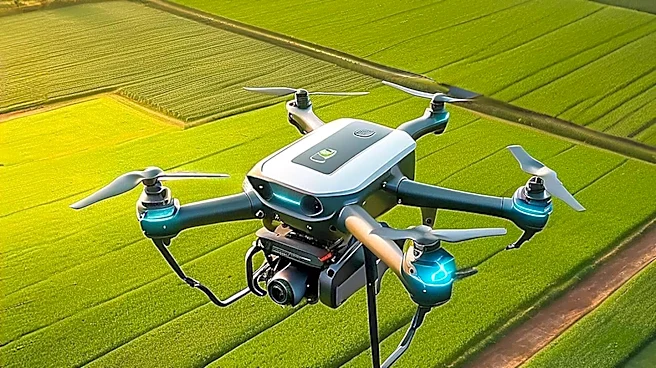
The RCPP funding, supported by the Working Families Tax Cuts Act through fiscal year 2031, will continue to drive conservation efforts and agricultural improvements across the nation. The USDA's Natural Resources Conservation Service (NRCS) will continue to prioritize projects that address soil health, water quality, wildlife habitat, and those led by Indian Tribes, with a dedicated $30 million set aside for tribal projects. The ongoing improvements to RCPP, including streamlined processes and increased flexibility, are expected to make the program even more effective in delivering meaningful results for farmers and ranchers. Future initiatives will likely focus on leveraging precision agriculture technologies to target conservation efforts more efficiently and providing technical and financial assistance for planning and practice designs. The long-term goal is to ensure that American farmlands remain productive and ecologically healthy for generations to come, while also supporting the economic well-being of agricultural communities.
Beyond the Headlines
The USDA's RCPP initiative reflects a broader shift towards integrating environmental stewardship with agricultural productivity. By recognizing that healthy natural resources are fundamental to sustainable farming, the program encourages practices that not only benefit the environment but also enhance the economic viability of farm operations. This approach moves beyond traditional conservation efforts by actively involving farmers and local communities in designing and implementing solutions tailored to their specific needs. The program's success in rebuilding the U.S. cattle herd and improving water quality demonstrates the potential for synergistic outcomes when economic incentives align with ecological goals. Furthermore, the emphasis on reducing red tape and increasing flexibility signals a commitment to making government programs more accessible and responsive to the needs of agricultural producers, fostering a more collaborative and effective conservation framework.