






What's Happening?
A federal judge is currently reviewing a lawsuit challenging Missouri's new law that bans intoxicating hemp products. The Missouri Hemp Trade Association, as the plaintiff, argues that the law, House Bill 2641, is unconstitutionally vague because it creates
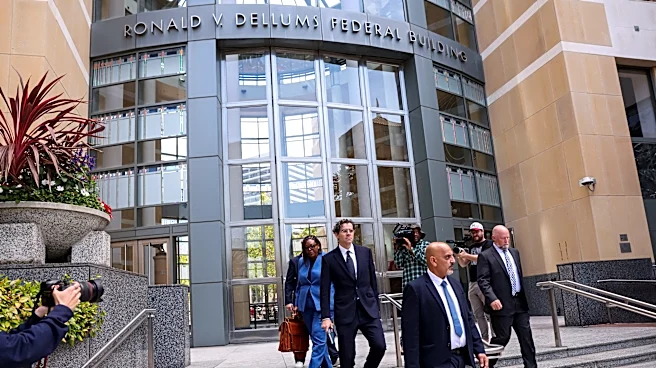
conflicting definitions, classifying a single product as both legal 'hemp' and illegal 'marijuana.' This ambiguity, they contend, leaves businesses uncertain about what products they can legally sell when the law takes effect on November 12. The state, however, asserts that the law is clear, stating that any product meeting the definition of a hemp-derived cannabinoid product is to be treated as marijuana. Missouri has requested Judge M. Douglas Harpool of the U.S. District Court Western District of Missouri to dismiss the lawsuit, claiming it is part of a broader national effort by the hemp industry to overturn similar state regulations. The federal law distinguishing marijuana and hemp, established by Congress in 2018, has been a source of ongoing debate in legislatures and courts nationwide.
Why It's Important?
This legal challenge holds significant implications for Missouri's hemp industry and consumers. If the law is upheld, it could lead to the cessation of sales for many popular hemp-derived intoxicating products, impacting businesses that have invested in this market since the 2018 federal legalization of hemp. The industry's argument of 'unconstitutional vagueness' highlights a critical legal principle that demands clear and unambiguous statutes, especially when they affect commerce and individual liberties. The outcome of this case could set a precedent for how other states regulate intoxicating hemp products, influencing the national landscape of cannabis-related laws. Furthermore, the state's assertion that this lawsuit is part of a 'well-established playbook' by the hemp industry suggests a broader, ongoing conflict between state regulatory efforts and industry interests, potentially leading to more legal battles across the U.S. The debate also underscores the complexities arising from federal and state discrepancies in defining and regulating cannabis products.
What's Next?
The federal judge will decide whether Missouri's intoxicating hemp ban is sufficiently clear for enforcement or if the constitutional challenge should proceed. The law is scheduled to go into effect on November 12. Congress is also considering a measure to delay a federal ban on intoxicating hemp THC products until December 11, which could further complicate the regulatory environment. If Congress delays the federal ban, Missouri's law would still prohibit all intoxicating hemp products, with the exception of intoxicating beverages, though plaintiffs argue that beverages are not explicitly exempt. The Missouri Hemp Trade Association is seeking its 'day in court' to address what it views as an unconstitutionally vague law. The state's motion to dismiss the lawsuit will be a key factor in determining the immediate future of intoxicating hemp products in Missouri.
Beyond the Headlines
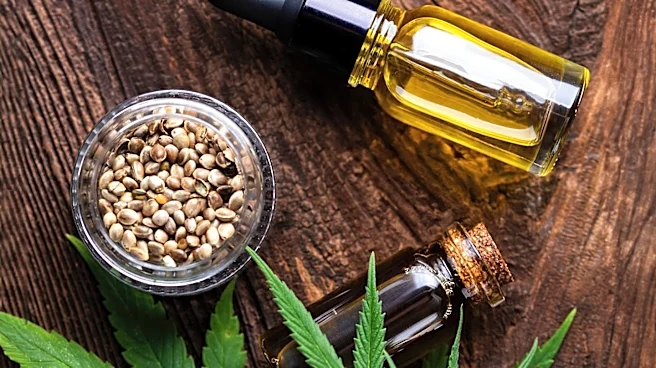
The dispute in Missouri reflects a larger national struggle to reconcile the 2018 federal legalization of hemp with individual states' desires to regulate or restrict intoxicating hemp-derived products. This legal gray area has allowed a booming market for products like hemp-derived THC beverages to emerge, often sold in mainstream retail outlets. The core issue of defining 'hemp' versus 'marijuana' based on THC content, and the subsequent legal interpretations, highlights a significant challenge in drug policy. The industry's 'playbook' of challenging state laws suggests a strategic, coordinated effort to protect and expand the market for these products, potentially leading to a patchwork of regulations across the country. This situation also raises questions about consumer access to these products, the economic impact on agricultural and retail sectors, and the ongoing evolution of cannabis policy in the U.S., moving beyond traditional marijuana debates to encompass the broader spectrum of cannabinoid products.