
What's Happening?
Florida has launched an ambitious 'coastal corridor' project aimed at preserving and enhancing marine life along its coasts. The initiative, led by the Florida Fish and Wildlife Conservation Commission
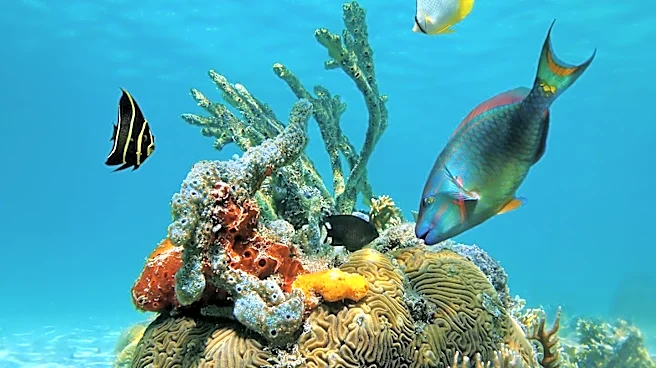
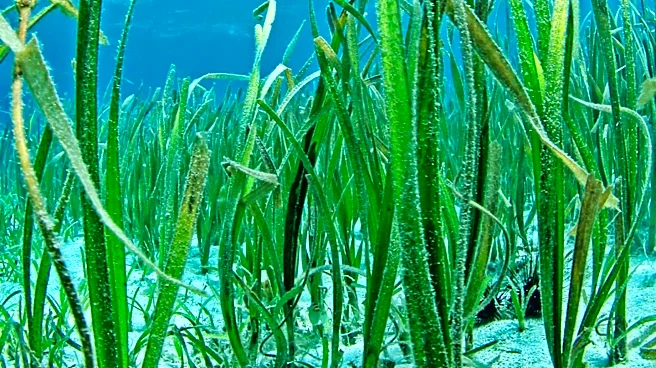
(FWC) and the Fish and Wildlife Foundation of Florida (FWFF), seeks to create a network of artificial reefs, oyster beds, seagrass, and mangroves. This project is inspired by the state's wildlife corridor, which provides habitats for land-based species. The coastal corridor is designed to protect marine ecosystems and support economic activities such as recreational fishing, which generates significant revenue and jobs for the state. The project involves collaboration with local governments, scientists, and conservation organizations to implement various marine conservation efforts.
Why It's Important?
The coastal corridor project is crucial for safeguarding Florida's marine biodiversity and supporting its economy. By creating artificial reefs and restoring habitats, the initiative aims to alleviate pressure on natural reefs, which face challenges from climate change and human activities. The project is expected to enhance coastal resilience, protect endangered species, and provide economic benefits through increased tourism and fishing activities. Recreational fishing alone contributes billions to Florida's economy and supports thousands of jobs. The project also highlights the importance of collaborative efforts in environmental conservation, bringing together various stakeholders to achieve common goals.
What's Next?
The project will see the deployment of prefabricated concrete structures to mimic natural reefs, with initial efforts focused on areas like Collier County. Future plans include addressing beach erosion, restoring coastal mangroves, and enhancing habitats for species like manatees. The initiative will continue to engage local communities and organizations to expand its reach and effectiveness. As the project progresses, it will serve as a model for other regions facing similar environmental challenges, demonstrating the potential of integrated conservation strategies to protect marine ecosystems and support economic development.