





What's Happening?
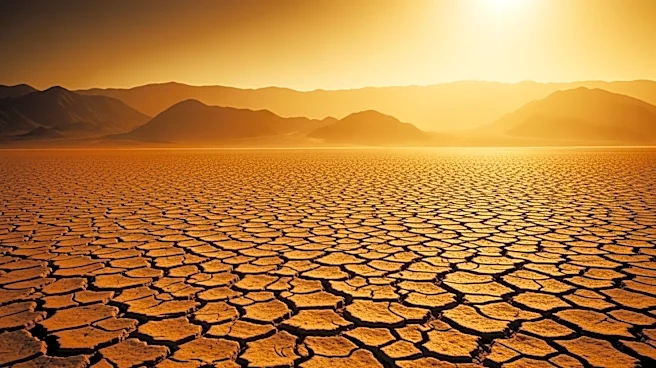
California and Arizona are experiencing an unusually early heatwave, with temperatures reaching up to 114 degrees Fahrenheit. This heatwave is more typical of peak summer months and poses significant health risks to millions of residents. The National
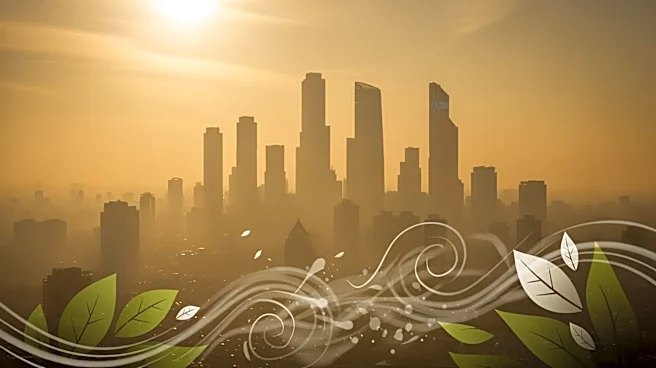
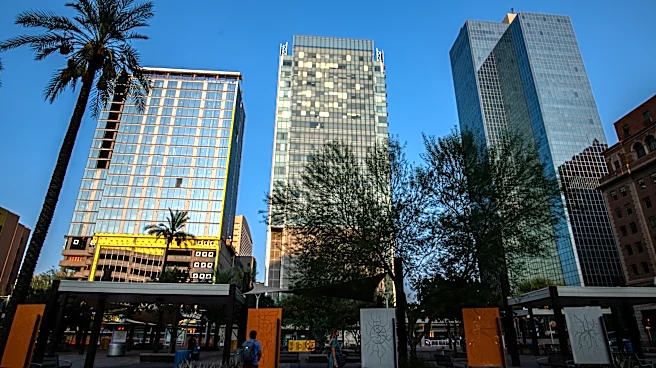
Weather Service has issued extreme heat warnings and advisories across various regions, including the Phoenix metro area and California's interior valleys and desert regions. The heatwave coincides with air quality alerts, creating a dual health threat as polluted air and extreme temperatures increase the risk of heat exhaustion, heat stroke, and respiratory problems. Residents are advised to stay hydrated, limit outdoor activities, and use air conditioning or cooling centers. The Environmental Protection Agency has also warned of the 'urban heat island' effect, which exacerbates the situation by trapping heat in urban areas.
Why It's Important?
The early onset of such extreme temperatures highlights the growing challenges posed by climate change, particularly in regions already prone to high temperatures. The health risks associated with this heatwave are significant, as even short bursts of extreme heat can strain multiple body systems, increasing the likelihood of hospitalization and death. Vulnerable populations, such as the elderly, children, and those with pre-existing health conditions, are at heightened risk. The economic impact is also notable, as increased energy demand for cooling can strain power grids and lead to higher utility costs for residents. Additionally, the combination of heat and poor air quality can exacerbate existing environmental and public health issues, prompting calls for more robust climate adaptation and mitigation strategies.
What's Next?
As the heatwave continues, residents and local authorities will need to remain vigilant in monitoring weather conditions and adhering to safety advisories. There may be increased pressure on local governments to provide resources such as cooling centers and public health information to mitigate the impact on vulnerable communities. In the longer term, this event may prompt further discussions on climate resilience and the need for infrastructure improvements to better handle extreme weather events. Policymakers and environmental groups may advocate for more aggressive measures to address climate change and its effects on public health and safety.