





What's Happening?
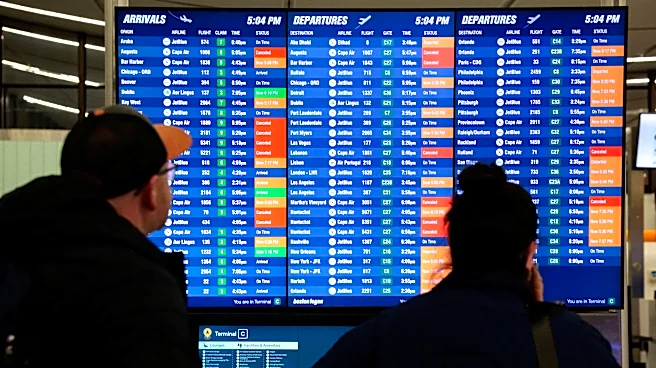
The Federal Aviation Administration (FAA) implemented a nationwide ground stop on Friday, November 13, 2026, marking only the second such event in the U.S. since the September 11 attacks. The ground stop was initiated due to "communication issues impacting
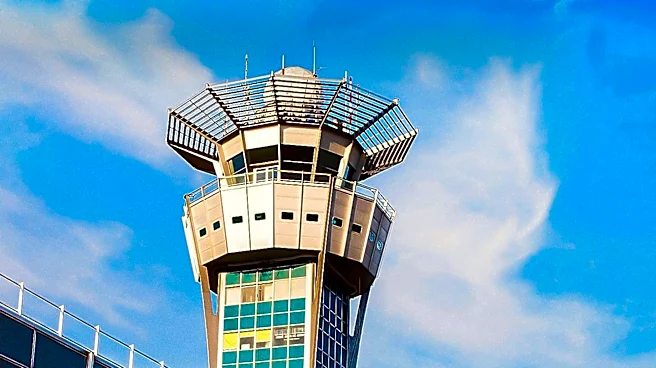
multiple Air Route Traffic Control Centers." Homeland Security Secretary Markwayne Mullin stated that there was no indication of a national security threat or a nefarious attack, though he did not rule out a cyberattack as a potential cause. All flights were accounted for, and aircraft already in the air were being managed on a case-by-case basis. The previous nationwide ground stop occurred in 2023 due to an outage in the FAA system that transmits safety messages to pilots.
Why It's Important?
This nationwide ground stop has significant implications for the U.S. aviation industry and the broader economy. It causes widespread flight cancellations and delays, disrupting travel plans for thousands of passengers and impacting airline operations, logistics, and commerce. The economic cost of such disruptions can be substantial, affecting businesses reliant on air cargo and tourism. The incident also raises concerns about the resilience and cybersecurity of critical national infrastructure, particularly the air traffic control system. While officials have downplayed a national security threat, the possibility of a cyberattack remains a point of concern, highlighting the need for robust digital defenses in essential services.
What's Next?
Officials have not provided a specific timeline for fully resolving the ground stop's aftermath, and flight cancellations are expected to continue climbing as airlines work to restore their schedules. Passengers are advised to check directly with their airlines for the latest flight information. Investigations into the cause of the communication issues are ongoing, with a focus on determining whether the outage was a technical malfunction or a more deliberate act like a cyberattack. The FAA and other relevant agencies will likely conduct a thorough review of their systems and protocols to prevent similar incidents in the future, potentially leading to upgrades in infrastructure and cybersecurity measures.
Beyond the Headlines
The recurrence of nationwide ground stops, even if infrequent, points to underlying vulnerabilities in the complex and interconnected systems that manage U.S. air travel. Beyond the immediate economic and travel disruptions, these incidents can erode public confidence in the reliability of air transportation and national infrastructure. The mention of a potential cyberattack, even if unconfirmed, underscores the growing threat landscape faced by critical services. This event could prompt a broader re-evaluation of the nation's digital defenses and contingency plans for essential systems, potentially leading to increased investment in cybersecurity and system redundancy across various sectors, not just aviation.