







What's Happening?
An LGBTQ cruise ship, the Scarlet Lady, was denied entry into Egypt after previously being barred from docking in Turkey. This decision forced the ship to alter its route for the second time, affecting approximately 2,000 passengers. The cruise, organized
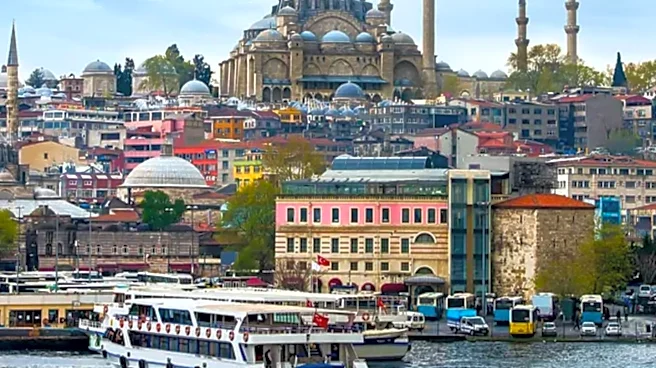
by Atlantis Events, was initially set to sail from Athens to Venice. The Turkish authorities cited concerns over the ship being chartered by groups whose behaviors were not aligned with their social and moral values. Egypt did not provide an official reason for its decision. The cruise had to find alternative ports, with the ship eventually docking in Chania, Crete, and planning to stop in Montenegro. This incident marks the first time in 36 years that an Atlantis Events cruise has been denied docking permission in two countries within a week.
Why It's Important?
The refusal of entry by Turkey and Egypt highlights ongoing challenges faced by the LGBTQ community in certain regions, where social and moral values are cited as reasons for exclusion. This incident underscores the broader issue of LGBTQ rights and acceptance globally, as well as the potential economic impact on tourism. The decision by these countries could deter LGBTQ travelers from visiting, affecting local tourism industries. Additionally, it raises concerns about the influence of right-wing groups on government policies regarding LGBTQ rights. The situation also emphasizes the importance of inclusivity and the potential backlash against countries perceived as unwelcoming to diverse communities.
What's Next?
The cruise organizers and passengers are likely to seek alternative destinations that are more welcoming to LGBTQ travelers. This incident may prompt discussions within the travel industry about the importance of inclusivity and the potential need for contingency plans when visiting countries with restrictive policies. It could also lead to increased advocacy for LGBTQ rights and greater scrutiny of countries' policies by international communities. The response from the LGBTQ community and allies may influence future travel decisions and potentially impact the tourism strategies of countries involved.
Beyond the Headlines
This event may have deeper implications for international relations and the perception of countries that impose such bans. It highlights the tension between cultural values and human rights, particularly in regions where conservative views dominate. The incident could also influence the policies of other countries, either encouraging similar actions or prompting a reevaluation of their stance on LGBTQ tourism. Furthermore, it raises questions about the role of international organizations and governments in advocating for the rights of marginalized communities in global travel.