




What's Happening?
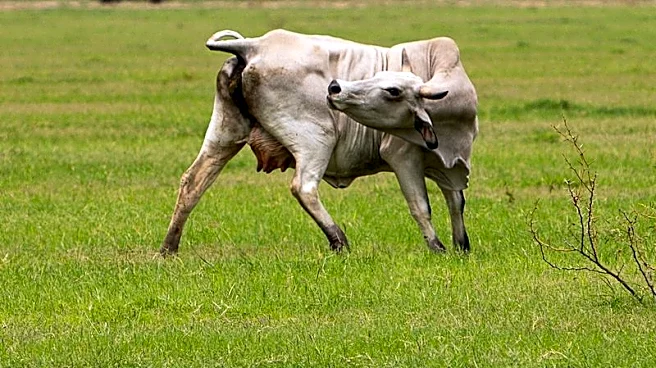
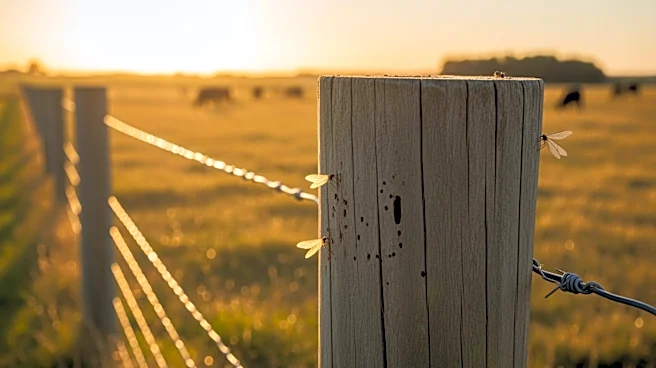
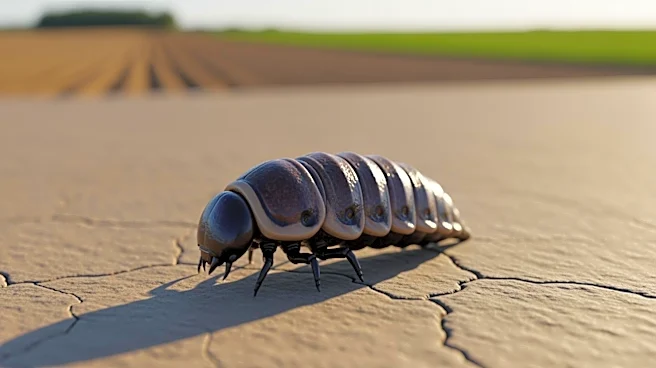
The U.S. Department of Agriculture (USDA) has confirmed a second case of New World screwworm in Texas, found in a calf in Zavala County. This follows an earlier detection in the same region. The screwworm, a flesh-eating parasite, poses a threat to livestock,
wildlife, and pets. In response, the Canadian Food Inspection Agency has temporarily restricted livestock imports from affected U.S. areas. The USDA assures that the U.S. food supply remains safe, as screwworms do not infest food products. Efforts to control the pest include releasing sterile insects to suppress its population.
Why It's Important?
The detection of screwworm in Texas raises concerns about the potential spread of this parasite, which can cause severe harm to livestock and economic losses for farmers. The Canadian import restrictions highlight the international implications of the outbreak, affecting trade and livestock movement. The USDA's swift response aims to prevent further spread and reassure stakeholders about food safety. This situation underscores the importance of biosecurity measures and cross-border cooperation in managing agricultural pests.
What's Next?
Ongoing surveillance and control measures will be crucial in containing the screwworm outbreak. The USDA and state officials will continue monitoring the situation and releasing sterile insects to reduce the pest population. Livestock owners are urged to remain vigilant and report any signs of infestation. The Canadian restrictions may remain in place until the situation is under control, potentially affecting trade dynamics between the two countries. Further updates from the USDA and Canadian authorities are expected as the situation develops.