






What's Happening?
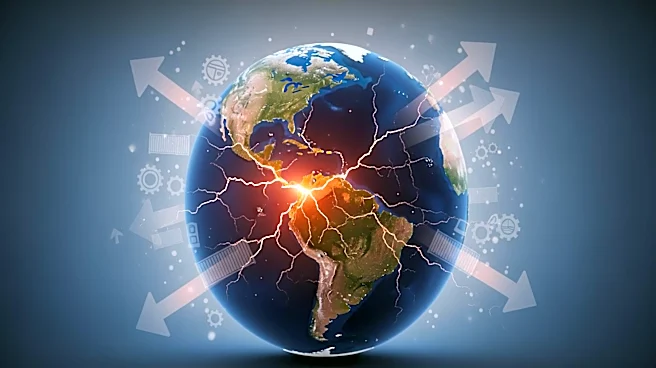
The ongoing conflict involving Iran has led to significant disruptions in global energy markets, particularly due to the closure of the Strait of Hormuz, a critical passage for oil and natural gas. This has resulted in an energy shock affecting Latin
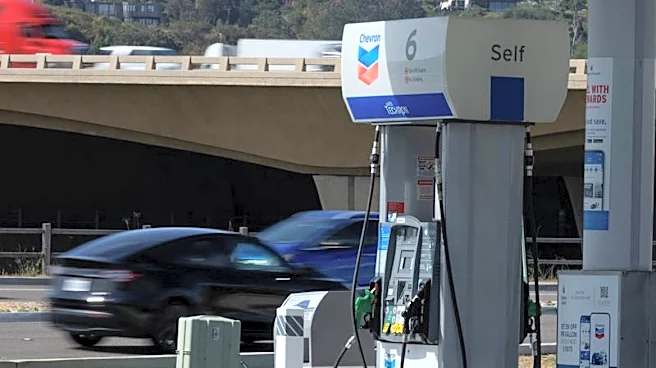
America and the Caribbean, regions heavily reliant on energy imports. The International Monetary Fund's projections indicate rising inflation across these areas, reminiscent of the economic impacts following Russia's invasion of Ukraine in 2022. Countries in Central America and the Caribbean, which depend on external supplies, are facing heightened risks of supply shortages and price shocks. Meanwhile, resource-rich South American nations, although benefiting from higher export prices, are also experiencing constraints due to increased costs of diesel and fertilizers.
Why It's Important?
The economic repercussions of the Iran conflict are profound, as they exacerbate inflationary pressures and financial instability in Latin America and the Caribbean. Import-dependent economies are particularly vulnerable, facing increased costs for essential goods and services. This situation could lead to slower economic growth and heightened financial stress, especially for countries with significant short-term external debts. However, the crisis also presents opportunities for these regions to attract investments in energy sectors, potentially reducing global supply chain dependencies. Countries like Argentina, Brazil, and Guyana could leverage this situation to strengthen their energy sectors and enhance long-term economic resilience.
What's Next?
As the conflict continues, the economic landscape in Latin America and the Caribbean will likely remain volatile. Governments and private sectors in these regions may need to collaborate to mitigate the adverse effects and explore investment opportunities in renewable energy and other sectors. The potential for increased financial stress due to rising interest rates and inflation could prompt policy adjustments and strategic economic planning to stabilize the affected economies.