
What's Happening?
Kevin Mullin, a Democratic representative from California, is advocating for the establishment of national safety standards for autonomous vehicles. This push comes in the wake of a study indicating that
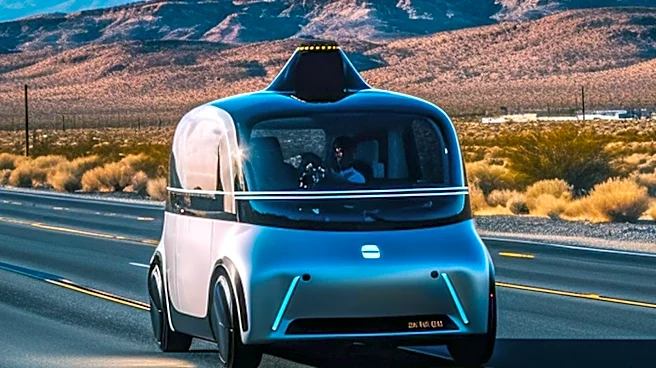
Waymo's robotaxis crash 68% less often than human drivers. The study, conducted by the Insurance Institute for Highway Safety, analyzed crash data from 2021 to 2024, comparing Waymo's driverless cars to human-operated vehicles in cities like Phoenix, Los Angeles, San Francisco, and Austin. The findings suggest that Waymo's vehicles are involved in significantly fewer crashes and injury incidents per vehicle mile traveled. Mullin's proposed regulations aim to prevent autonomous vehicles from interfering with emergency operations, addressing concerns about their integration into existing traffic systems.
Why It's Important?
The push for federal safety standards for autonomous vehicles is significant as it addresses the growing presence of driverless technology on U.S. roads. With companies like Waymo leading the market, the establishment of clear regulations could enhance public safety and trust in autonomous vehicles. This move could also influence the broader automotive industry, encouraging innovation while ensuring safety. The potential reduction in traffic accidents and related injuries could have substantial public health benefits. However, the challenge lies in creating regulations that keep pace with rapid technological advancements while addressing public concerns about safety and emergency response interference.
What's Next?
If Mullin's advocacy leads to legislative action, federal regulators may begin drafting and implementing safety standards for autonomous vehicles. This could involve collaboration with technology companies, safety experts, and local governments to create comprehensive guidelines. The response from the autonomous vehicle industry will be crucial, as companies may need to adjust their technologies and operations to comply with new regulations. Additionally, public feedback and potential legal challenges could shape the final form of these standards. The outcome could set a precedent for how emerging technologies are regulated in the U.S.