




What's Happening?
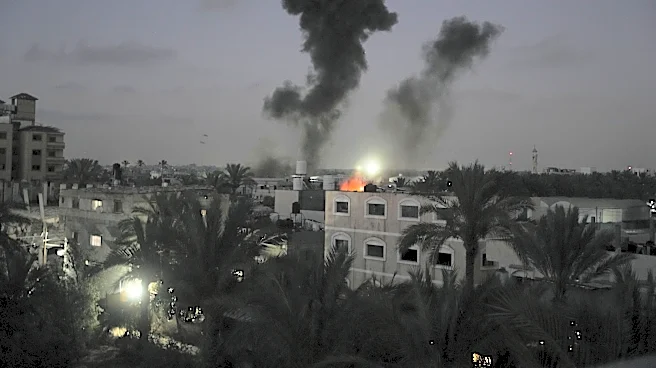
The Committee to Protect Journalists (CPJ) is conducting a comprehensive review of its database documenting journalists killed during the Israel-Hamas War. This action follows revelations that some individuals previously listed as journalists were identified
as combatants by Hamas and Palestinian Islamic Jihad (PIJ). Israeli media reports have highlighted that several operatives from these groups were initially recognized as journalists. In response, CPJ has removed eight names from its 'Killed' database after confirming their affiliations with Hamas or PIJ, and an additional 12 names for other reasons. As of June 25, 2026, CPJ records 209 journalists or media workers killed by Israel in Gaza and Israeli detention centers since October 7, 2023. CPJ emphasizes its commitment to excluding individuals from its data if evidence shows they were engaged in combat or inciting violence, aligning with international humanitarian law. The organization relies on at least two independent sources and desk-based research to verify the status of individuals as journalists.
Why It's Important?
This review by CPJ is significant as it addresses the critical issue of distinguishing between legitimate journalists and combatants in conflict zones. The misrepresentation of combatants as journalists can endanger genuine media workers and undermine the credibility of journalistic organizations. By ensuring accurate documentation, CPJ aims to uphold the integrity of its data and protect journalists who are legitimately reporting from conflict areas. This development also highlights the challenges faced by international organizations in verifying information in war zones, particularly when access is restricted. The outcome of this review could influence how media organizations and international bodies approach the classification and protection of journalists in conflict situations.
What's Next?
CPJ plans to complete its review by July, which may lead to further adjustments in its database. The findings could prompt discussions among international media and human rights organizations about the criteria for classifying individuals as journalists in conflict zones. Additionally, the review may influence policy decisions regarding the protection of journalists and the use of 'Press' insignia in war zones. Stakeholders, including governments and media organizations, may need to reassess their strategies for ensuring the safety and credibility of journalists operating in high-risk areas.