






What's Happening?
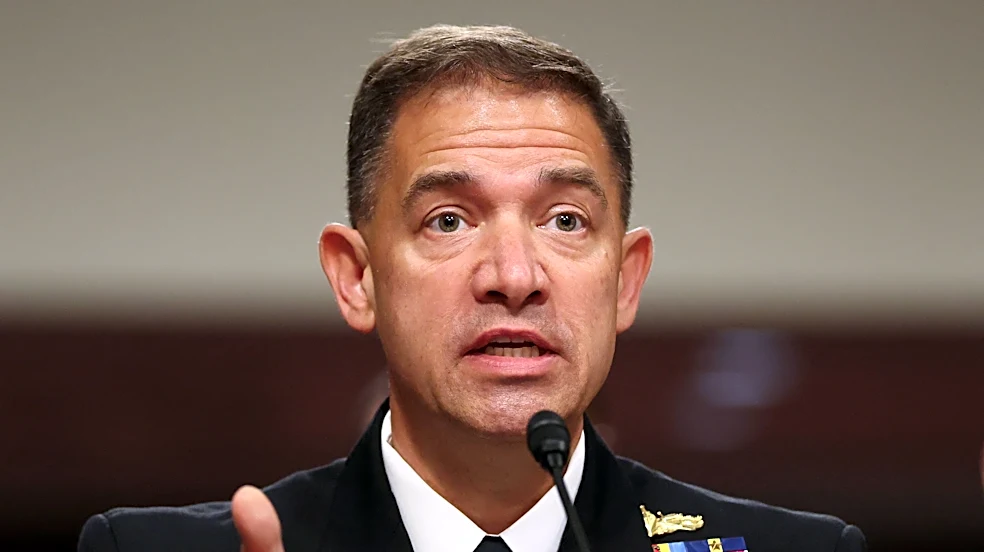
The Department of Defense (DoD) has successfully implemented a pilot program that has drastically cut the Army’s average civilian hiring time from 161 days to 47 days. Michael Cogar, who oversees the DoD’s civilian personnel policies, announced that this
reduction was achieved through the integration of artificial intelligence (AI) and the consolidation of various steps in the recruiting process. The pilot, a collaborative effort involving the Army’s Civilian Human Resources Agency, Military Entrance Processing Command, and the Defense Logistics Agency, utilized automation to streamline tasks such as generating job announcements, vetting resumes, and presenting candidate slates. This has transformed the role of HR professionals from data-entry clerks to 'elite talent scouts.' Additionally, Pentagon policymakers are simplifying hiring authorities to allow service and agency leaders more flexibility in tailoring recruitment to their specific needs. The DoD has also delegated direct hiring authority for essential roles to service secretaries and agency directors, making direct hiring an expectation rather than an exception. Other reforms include mandating consideration for military spouses and expanding telework options for overseas positions.
Why It's Important?
This significant reduction in hiring time is crucial for national security, as prolonged vacancies in critical military jobs, particularly in specialized fields like AI and cyber operations, can lead to an 'operational edge' loss. By accelerating the recruitment of top talent, the Pentagon aims to prevent qualified candidates from being lost to the private sector and to ensure that the military maintains its technological and operational superiority. The adoption of AI in the hiring process represents a modernization effort that could be replicated across other government agencies, improving efficiency and effectiveness in public sector recruitment. Furthermore, simplifying hiring authorities and delegating decision-making power to lower levels of command addresses long-standing bureaucratic hurdles that have historically hampered the DoD's ability to attract and retain skilled personnel. The emphasis on considering military spouses and expanding telework also reflects an effort to make military civilian careers more attractive and accessible, supporting military families and broadening the talent pool.
What's Next?
The success of this pilot program suggests that the DoD will likely seek to scale these AI-driven and streamlined hiring practices across other branches of the military and potentially other civilian roles. The goal of extending a firm job offer within 30 days of posting is now seen as achievable, and efforts will continue to refine processes to meet this target. The ongoing simplification of hiring authorities will empower more leaders to make timely recruitment decisions, further decentralizing and expediting the process. The DoD will also continue its reforms in employee management and retention, including the use of performance bonuses and incentives for recruitment, relocation, and retention, to build a stronger and more motivated civilian workforce. Future efforts will focus on identifying and eliminating remaining bureaucratic obstacles that hinder efficient talent acquisition and retention, aiming to shift from a 'bureaucratic fortress' to a more agile and responsive system.
Beyond the Headlines
The Pentagon's embrace of AI in human resources signals a broader trend of technological integration into government operations, moving beyond traditional IT functions to core administrative processes. This shift raises important questions about the future of work in the public sector, the evolving skill sets required for HR professionals, and the ethical considerations surrounding AI in recruitment, such as potential biases in algorithms. The initiative also highlights the competitive landscape for talent between the public and private sectors, particularly in high-demand fields. By making government service more appealing and efficient, the DoD is not only addressing its immediate staffing needs but also potentially setting a precedent for how government agencies can compete for and retain top talent in a rapidly changing job market. The reforms also underscore a recognition that administrative efficiency is directly linked to operational readiness and national security, challenging the traditional view of bureaucracy as merely an internal function.