




What's Happening?
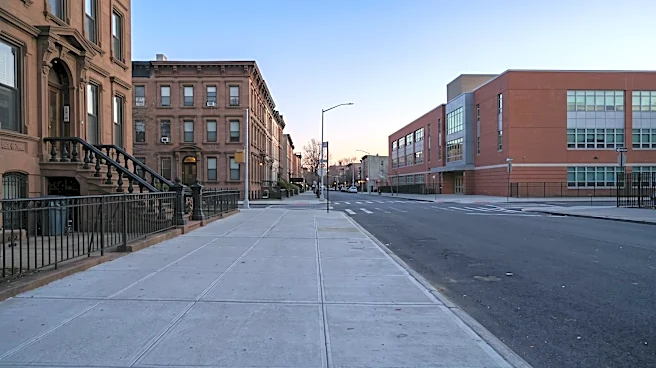
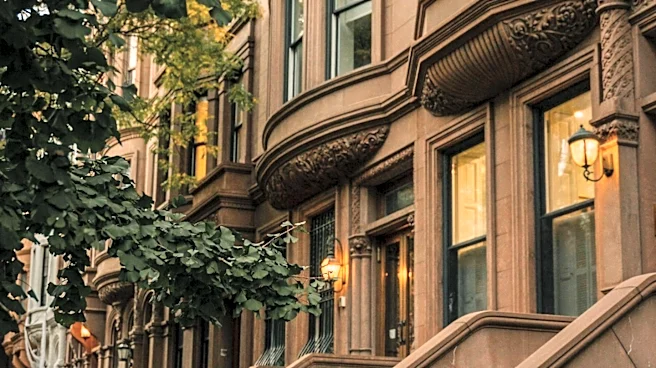
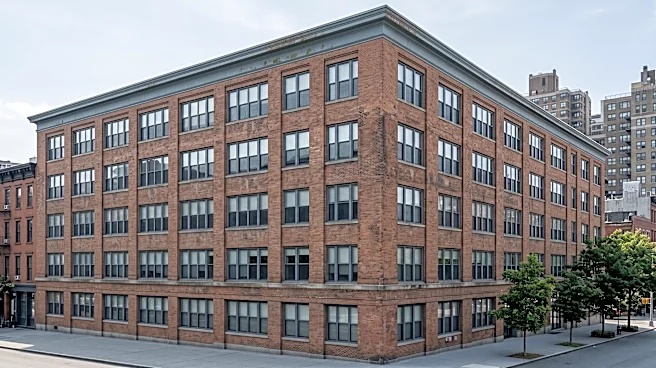
Three rent-stabilized buildings located at 1018 and 1074 Eastern Parkway and 1392 Sterling Place in Crown Heights, Brooklyn, have transferred ownership. These prewar structures, comprising a total of 88 rent-stabilized units, were sold for $7.6 million.
The sale paves the way for a city-supported rehabilitation project aimed at addressing the significant number of housing code violations present in the properties. The buildings collectively have 991 open housing code violations and are part of the Department of Housing Preservation and Development’s (HPD) Alternative Enforcement Program. The ownership transfer resulted from an auction stemming from a personal injury case that dates back over 15 years, rather than a direct city enforcement action.
Why It's Important?
This ownership transfer and subsequent rehabilitation project are crucial for the residents of these 88 rent-stabilized units in Crown Heights. The presence of nearly a thousand housing code violations indicates severe living conditions that have likely impacted the health, safety, and quality of life for tenants. The city-supported rehabilitation signifies a commitment to preserving affordable housing and ensuring habitable living standards, which is vital in a rapidly gentrifying area like Brooklyn. This initiative also highlights the role of HPD's Alternative Enforcement Program in identifying and addressing properties with chronic violations, even when ownership changes hands through non-enforcement means. The involvement of a housing development fund corporation, a nonprofit structure, ensures increased HPD supervision, which can provide greater accountability and protection for tenants.
What's Next?
Rehabilitation work on the three buildings is expected to commence following the ownership transfer. The estimated cost for this work is approximately $10 million, with a financial needs assessment currently underway. The buildings will be owned and operated by a housing development fund corporation, which will be subject to increased supervision by the Department of Housing Preservation and Development (HPD). This oversight aims to ensure that the rehabilitation is carried out effectively and that the properties meet required housing standards. HPD, along with the Mayor’s Office to Protect Tenants, has previously supported residents in Housing Court litigation to compel the former owners to address issues. This continued involvement suggests a proactive approach to safeguarding tenant rights and ensuring the successful completion of the rehabilitation efforts.
Beyond the Headlines
This case in Crown Heights sheds light on the broader challenges of maintaining affordable and safe housing in urban environments, particularly concerning rent-stabilized units. The transfer of ownership through an auction due to a personal injury case, rather than direct city intervention, reveals the complex legal and financial mechanisms that can impact housing conditions. It also underscores the persistent issue of landlords neglecting property maintenance, leading to a high volume of housing code violations. The city's commitment to supporting rehabilitation through a nonprofit structure and increased supervision points to a growing trend of leveraging various tools to preserve existing affordable housing stock. This situation highlights the ongoing tension between property ownership rights, tenant protections, and the public interest in ensuring decent living conditions, particularly for vulnerable populations in rent-stabilized apartments.