




What's Happening?
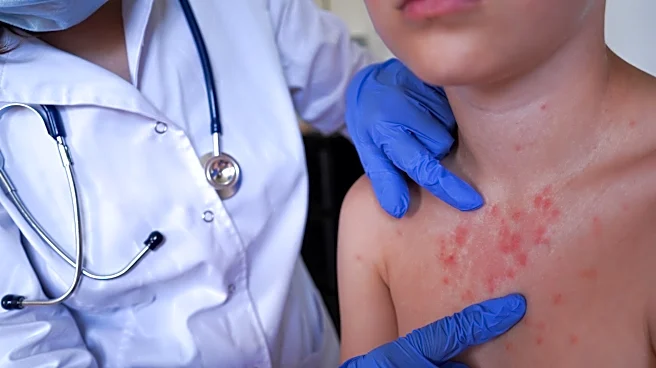
The Center for Emerging Infections at Children's Mercy Research Institute is actively engaged in extensive research concerning immunologic surveillance post-COVID-19. This includes evaluating the post-acute sequelae of COVID-19 infection in children,
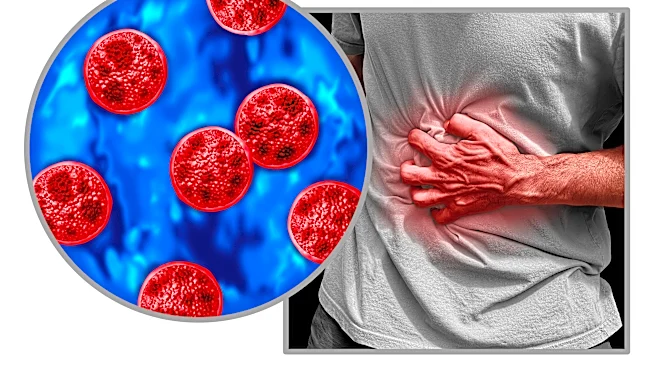
investigating mechanisms behind varying susceptibility to the virus, and determining the longevity of immunity in vaccinated individuals. The center participates in national initiatives like the Collaborative Long-term Study of Outcomes for COVID-19 in Kids (CLoCk) consortium. Additionally, the center leads the Kansas City-New Vaccine Surveillance Network (KC-NVSN), which recently received a $7.25 million grant from the Centers for Disease Control and Prevention (CDC) for year-round surveillance of acute gastroenteritis and respiratory illnesses in children across the Kansas City metropolitan area. The multidisciplinary COVID-19 Diagnostics and Investigations Empowering the Family (CODIEFY) study, also led by the center, utilizes advanced technologies like immunological assays and single-cell genomic sequencing to understand COVID-19 risk factors and spread.
Why It's Important?
This research is crucial for understanding the long-term health impacts of COVID-19 on children and for developing more effective public health strategies. By monitoring immune responses and identifying emerging variants, the center contributes to timely updates in vaccine formulations and treatment protocols. The surveillance efforts of KC-NVSN provide vital data on common childhood illnesses, enabling better preparedness and response to outbreaks. Understanding the longevity of immunity post-vaccination and infection is essential for guiding public health recommendations and vaccine booster strategies. The focus on pediatric populations is particularly significant as children represent a vulnerable group with unique immune responses and potential long-term health challenges following viral infections.
What's Next?
The ongoing surveillance and research efforts will continue to generate data that will inform public health policies and clinical practices. The long-term monitoring of children through initiatives like the CLoCk consortium will provide critical insights into the lasting effects of COVID-19. The findings from the CODIEFY study are expected to enhance understanding of viral transmission and risk factors, potentially leading to more targeted interventions. Continued funding for programs like KC-NVSN will ensure sustained surveillance of infectious diseases, allowing for early detection of new threats and better management of existing ones. The center's work also includes evaluating new diagnostic tests, which could lead to improved patient care and more efficient outbreak responses.
Beyond the Headlines
The work at Children's Mercy extends beyond immediate public health responses, contributing to a deeper scientific understanding of immunology and virology. By investigating the pathogenesis of emerging infections and evaluating vaccine efficacy, the center plays a role in shaping future approaches to infectious disease prevention and control. The emphasis on single-cell genomic sequencing and advanced immunological assays pushes the boundaries of diagnostic capabilities, offering more precise tools for understanding disease at a molecular level. This comprehensive approach not only addresses current health crises but also builds a robust framework for future pandemic preparedness, highlighting the importance of sustained investment in pediatric infectious disease research.