



What's Happening?
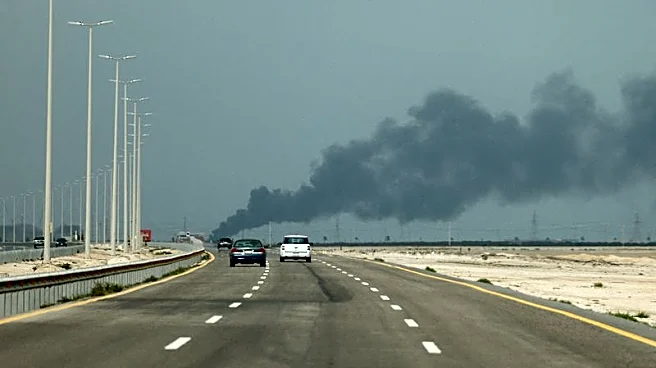
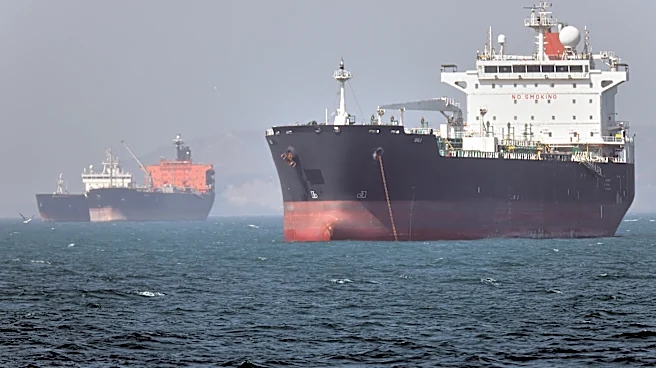
The closure of the Strait of Hormuz has led to significant disruptions in global oil supply, prompting African oil producers like Nigeria, Angola, and Algeria to step in and fill the supply gaps. Saudi Aramco's CEO, Amin Nasser, has warned of a weekly
loss of 100 million barrels of oil as the strait remains closed. In response, these African nations are increasing their export capacities and refining capabilities to capitalize on the shifting market dynamics. Angola, for instance, is expanding its refining capacity and attracting significant investment, while Nigeria has transformed into a net exporter of petroleum products thanks to the Dangote Refinery.
Why It's Important?
The disruption in the Strait of Hormuz presents both challenges and opportunities for African oil producers. As global oil inventories deplete rapidly, these countries have the chance to strengthen their positions in the global oil market. This shift could lead to increased revenues and economic growth for these nations. However, it also highlights the vulnerabilities of import-dependent African economies, which face higher fuel costs and supply uncertainties. The situation underscores the importance of enhancing energy security through diversification and infrastructure improvements.
Beyond the Headlines
The ongoing disruption serves as a lesson for African countries on the importance of energy security and infrastructure management. By optimizing ports and key waterways, these nations can better position themselves to handle future supply shocks. Additionally, the situation highlights the need for African countries to invest in refining capacity and diversify their energy sources to reduce reliance on external supplies.