




What's Happening?
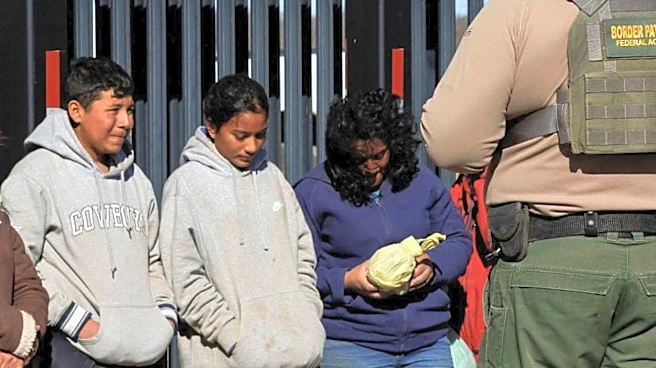
A federal court has extended Temporary Protected Status (TPS) for beneficiaries from several countries, including Myanmar, Ethiopia, and Syria, due to ongoing litigation. The court's decision temporarily blocks the termination of TPS, allowing beneficiaries to maintain
legal status and work authorization. This extension affects employment verification processes, with employers required to update Form I-9s in compliance with the new guidelines. The litigation is tied to broader legal challenges, with the U.S. Supreme Court expected to revisit the issue following a recent decision.
Why It's Important?
The extension of TPS is crucial for thousands of individuals who rely on this status for legal residency and employment in the U.S. It provides temporary relief amidst legal uncertainties, allowing beneficiaries to continue contributing to the economy. The decision also highlights the complexities of immigration policy and the role of the judiciary in shaping outcomes. Employers must navigate compliance challenges, balancing legal obligations with anti-discrimination practices. The broader implications of this decision could influence future immigration policies and the legal landscape surrounding TPS.
What's Next?
The future of TPS for these countries remains uncertain, with potential changes depending on the outcome of ongoing litigation and future court decisions. Employers must stay informed about compliance requirements and be prepared for possible policy shifts. The situation underscores the need for comprehensive immigration reform to address the challenges faced by TPS beneficiaries and employers. Continued advocacy and legal action may shape the trajectory of TPS policies, impacting thousands of individuals and the broader immigration system.