




What's Happening?
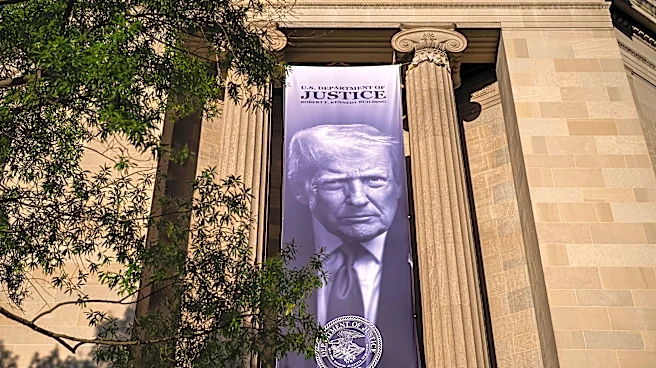
The Joint Comprehensive Plan of Action (JCPOA), a nuclear agreement reached in 2015 between Iran and the P5+1 countries, is under renewed scrutiny as President Trump defends his decision to withdraw from the deal in 2018. The JCPOA aimed to limit Iran's
nuclear capabilities in exchange for lifting sanctions, but its effectiveness has been debated. Critics argue it failed to address Iran's missile program and support for terrorism, while supporters claim it successfully halted nuclear proliferation. Since the U.S. withdrawal, Iran has breached several of the deal's limitations, raising concerns about its nuclear ambitions.
Why It's Important?
The JCPOA's legacy continues to influence U.S. foreign policy, particularly in the context of ongoing tensions with Iran. President Trump's withdrawal from the agreement has been a focal point of his administration's approach to Iran, emphasizing a need for a 'better deal.' The current geopolitical climate, including Iran's increased uranium enrichment, underscores the challenges of nuclear diplomacy and the complexities of international agreements. The situation highlights the delicate balance between enforcing non-proliferation and engaging in effective diplomatic negotiations.
What's Next?
As the U.S. seeks to address the nuclear threat posed by Iran, there may be efforts to negotiate a new agreement that addresses the shortcomings of the JCPOA. This could involve increased international collaboration and a reevaluation of sanctions and diplomatic strategies. The outcome of these efforts will be critical in shaping the future of U.S.-Iran relations and the broader non-proliferation landscape.