
What's Happening?
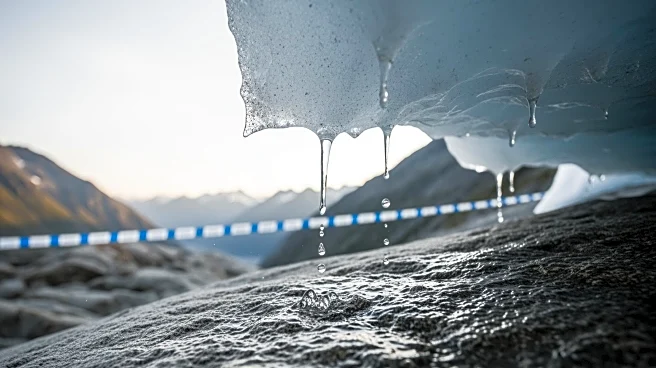
Recent studies highlight the rapid changes occurring in mountain regions, particularly the accelerated disappearance of glaciers and reduced snow cover. These changes are not only altering the landscapes
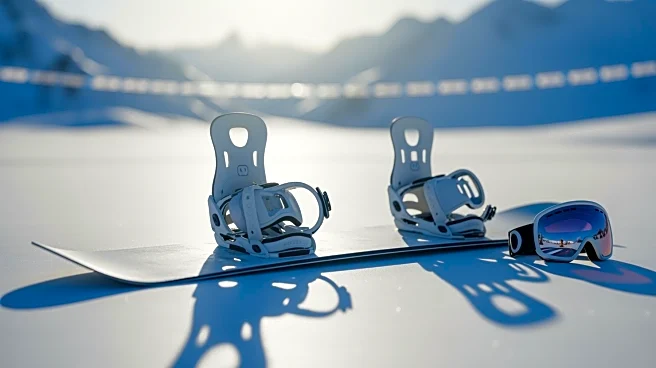
but also affecting the water supply for billions of people living in downstream lowland areas. The melting of glaciers is expected to peak in the 2040s, with up to 4,000 glaciers disappearing annually. This phenomenon is linked to broader climate change impacts, which are transforming ecosystems and affecting local communities' livelihoods, especially those dependent on winter tourism. The changes in mountain microclimates are also affecting vegetation growth, further impacting the local ecology.
Why It's Important?
The disappearance of glaciers and changes in mountain ecosystems have significant implications for global water resources, as many major rivers originate from these high-altitude regions. The reduction in snow and ice cover threatens water availability for agriculture, drinking, and industrial use in lowland areas. Additionally, the economic impact on communities reliant on winter tourism is profound, as declining snow cover makes traditional tourism activities unsustainable. The cultural and spiritual significance of mountains and glaciers is also at risk, affecting local traditions and beliefs. These changes necessitate adaptive strategies to mitigate the impacts on both local and global scales.
What's Next?
As the situation progresses, there will be a need for increased focus on adaptation strategies to manage water resources effectively and support affected communities. This includes developing infrastructure to cope with changing water availability and exploring alternative economic activities for regions dependent on winter tourism. The scientific community will continue to study these changes to provide insights into ecosystem responses and inform policy decisions. Additionally, there may be increased advocacy for climate action to address the root causes of these environmental changes.
Beyond the Headlines
The transformation of mountain regions due to climate change also poses ethical and cultural challenges. The loss of glaciers and changes in landscapes can lead to a loss of cultural heritage and identity for communities that hold these natural features in spiritual regard. Furthermore, the situation highlights the need for global cooperation in addressing climate change, as the impacts are not confined to the regions experiencing the most immediate changes but have far-reaching consequences.