





What's Happening?
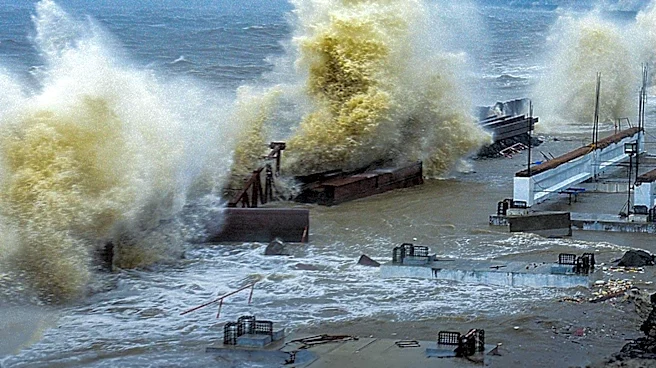
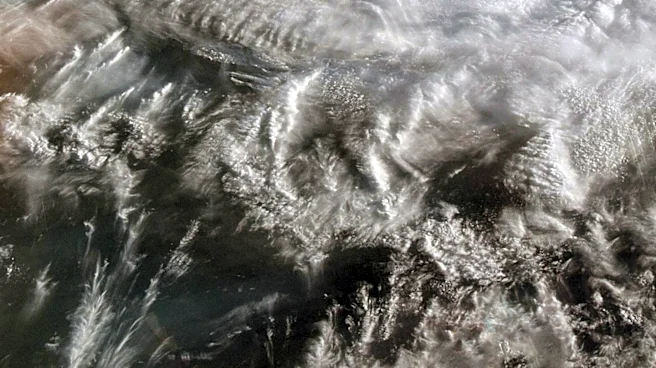
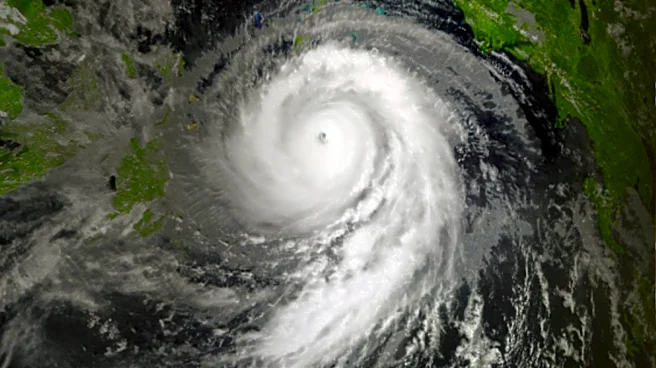
Typhoon Noul made landfall in southern China, specifically in the Guangdong province, early Sunday morning. The storm brought with it strong winds and heavy rain, prompting the evacuation of more than 340,000 people in the region. The typhoon, which hit
the coast of Huidong county in Huizhou city, caused significant disruptions, including the cancellation of dozens of flights and train services. The Hong Kong Observatory reported that Noul had maximum sustained winds of 145 kph (90 mph) as it moved inland, gradually weakening but still causing severe weather conditions. In Hong Kong, the storm led to the collapse of scaffolding on a high-rise building, although no injuries were reported. The typhoon also affected Taiwan, bringing rainfall to its southern and eastern regions as it passed over waters south of the island.
Why It's Important?
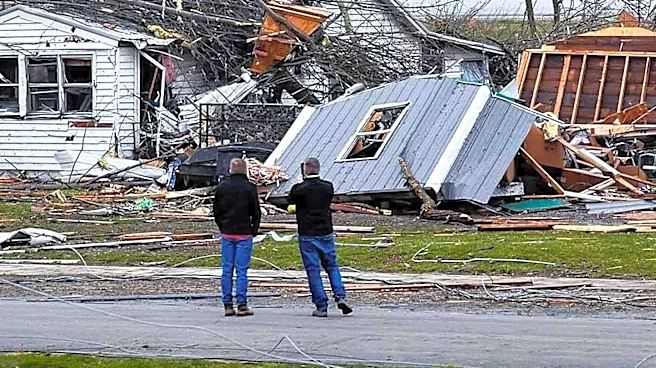
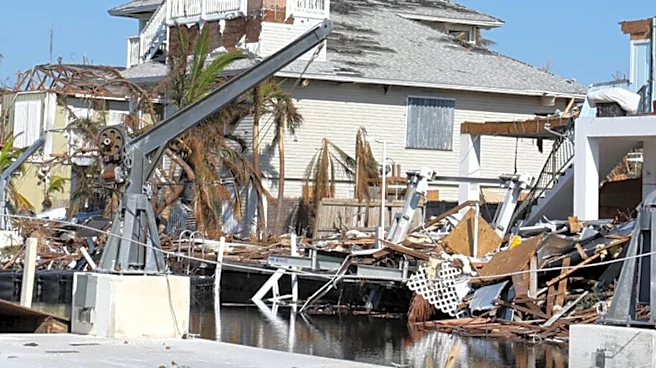
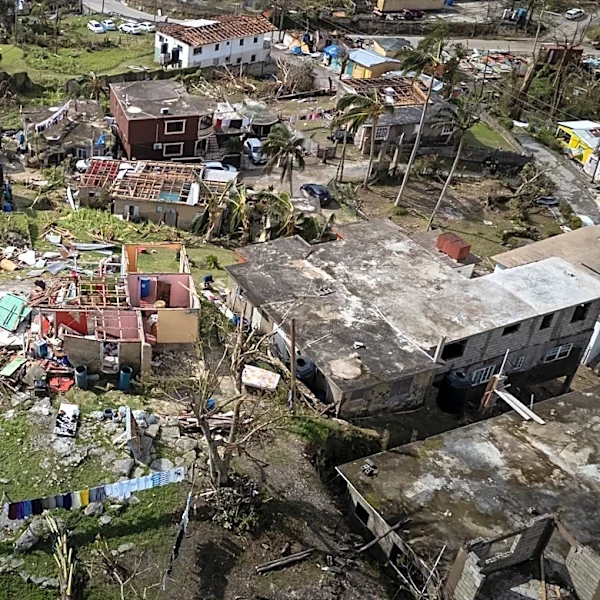
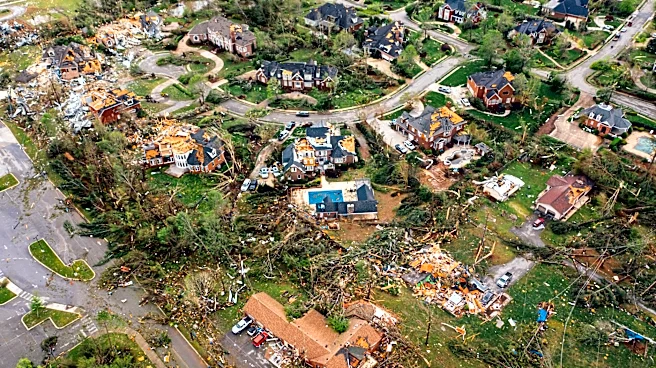
The impact of Typhoon Noul highlights the vulnerability of densely populated coastal regions in southern China to severe weather events. The large-scale evacuations and transportation disruptions underscore the significant logistical challenges faced by authorities in managing such natural disasters. The storm's effects on infrastructure and daily life in affected areas could have economic repercussions, particularly in sectors reliant on transportation and logistics. Additionally, the typhoon's impact on Taiwan and the broader region emphasizes the interconnected nature of weather systems and the need for coordinated regional responses to mitigate damage and ensure public safety.
What's Next?
As Typhoon Noul continues to weaken while moving inland, authorities in southern China will likely focus on recovery and relief efforts. This includes restoring transportation services, assessing damage to infrastructure, and providing support to displaced residents. The experience with Noul may prompt a review of emergency preparedness and response strategies in the region, potentially leading to improved measures for future typhoons. Additionally, the broader implications of climate change and its potential to increase the frequency and intensity of such storms may drive further discussions on sustainable development and disaster resilience in vulnerable areas.