







What's Happening?
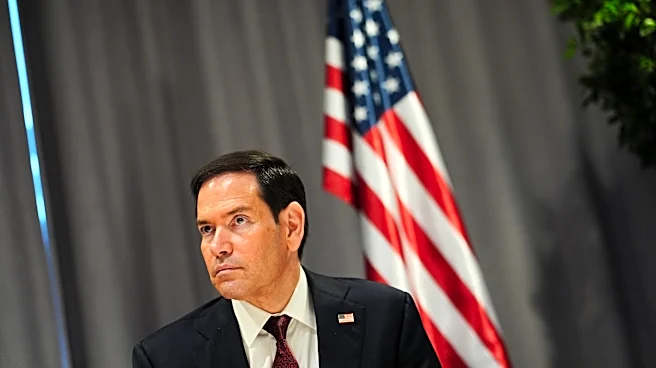
The United States and Iran are reportedly close to reaching a comprehensive agreement to end their recent military conflict, as per reports from the Associated Press and Reuters. The proposed deal aims to permanently halt months of hostilities and secure
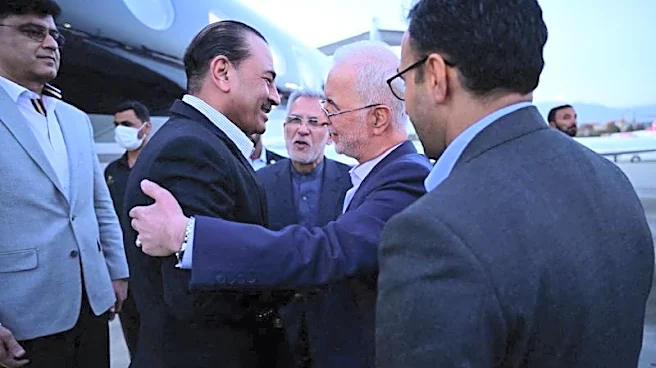
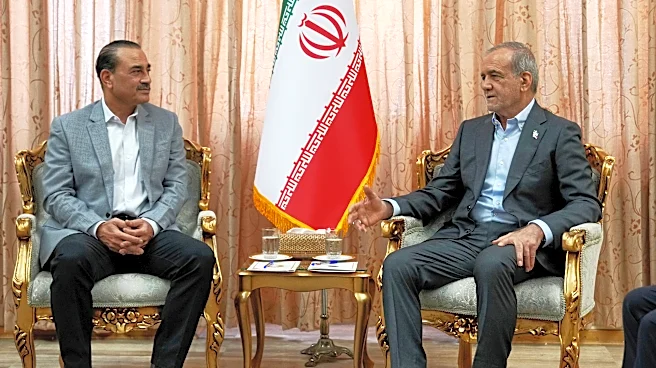
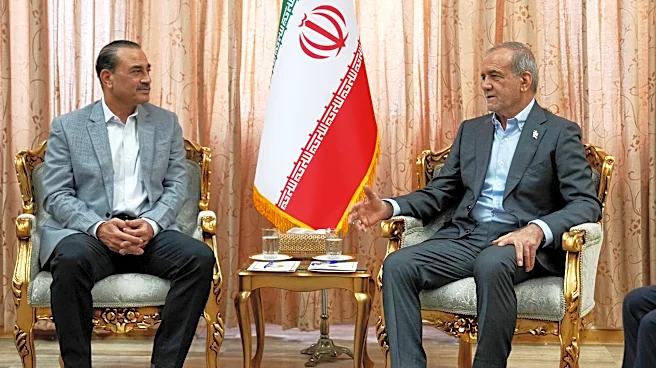
the reopening of the strategically vital Strait of Hormuz. This development marks the most significant diplomatic progress toward peace since Pakistan brokered a temporary ceasefire earlier this month. The conflict has disrupted global oil markets, drawn in multiple regional actors, and triggered the largest U.S. military mobilization in the Middle East in years. U.S. and Iranian negotiators are currently exchanging proposals through Pakistan, which is mediating the talks. A senior U.S. official indicated that while significant progress has been made, last-minute disputes could still derail the efforts. Iran has signaled narrowing differences after Pakistan’s army chief held more talks in Tehran.
Why It's Important?
The potential agreement between the U.S. and Iran could significantly ease tensions in the Middle East, a region critical to global oil supply. The conflict has already reshaped global shipping routes and strained U.S. alliances, raising fears of a broader regional confrontation. A resolution could stabilize oil markets, which have been volatile due to the conflict, and reduce the risk of further military escalation. The reopening of the Strait of Hormuz, a crucial passage for global oil shipments, would be particularly impactful, potentially lowering oil prices and easing economic pressures worldwide. However, the deal's success hinges on resolving key issues, including Iran's nuclear program and regional military activities.
What's Next?
Negotiations are ongoing, with both sides working to finalize the terms of the agreement. The U.S. is expected to respond to a revised proposal submitted by Iran and Pakistan. Any potential deal will likely face scrutiny in Washington, particularly from those concerned about Iran's military capabilities and regional influence. The outcome of these talks could influence U.S. foreign policy and military strategy in the Middle East, as well as impact domestic political dynamics, especially with upcoming midterm elections.