
What's Happening?
The National Secretariat of the Polisario Front has concluded its 10th ordinary session, reiterating that the resolution to the Western Sahara conflict must be founded on the Sahrawi people's undeniable
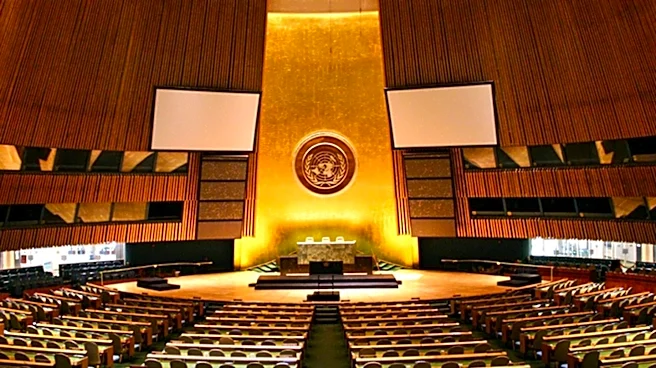
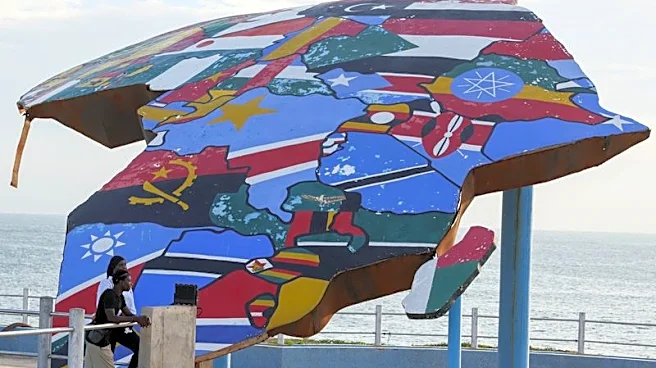
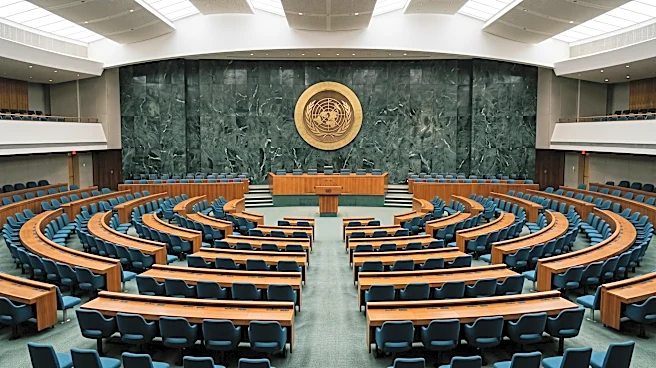
right to self-determination and independence. The Polisario Front explicitly rejects any proposed solutions that aim to legitimize Moroccan occupation or undermine the Sahrawi people's aspirations for freedom and sovereignty over their territory. The Secretariat has called upon the United Nations and its relevant bodies to fulfill their responsibilities in completing the decolonization process in Western Sahara, which remains the last colony in Africa and has been on the UN agenda since 1963. This reaffirmation comes amidst ongoing tensions in the region, where Morocco controls a significant portion of the former Spanish colony, a claim disputed by the Algerian-backed Polisario Front.
Why It's Important?
The Polisario Front's firm stance underscores the enduring nature of the Western Sahara conflict and its implications for international law and decolonization efforts. The insistence on self-determination as the only viable solution highlights a fundamental disagreement with Morocco's proposed autonomy plan, which is supported by some international actors. This ongoing dispute affects regional stability in North Africa, impacting diplomatic relations and potentially influencing trade routes and resource access. For the United States, the conflict presents a complex diplomatic challenge, as it navigates relationships with both Morocco, a key strategic partner, and Algeria, a significant energy producer. The unresolved status of Western Sahara also raises questions about the effectiveness of international bodies like the UN in resolving protracted territorial disputes and upholding the principle of self-determination.
What's Next?
The Polisario Front's renewed call for the United Nations to complete the decolonization process suggests a continued push for international intervention and a potential increase in diplomatic pressure on the UN. Future developments may include further engagement from UN special envoys, attempts to restart negotiations between the Polisario Front and Morocco, or increased advocacy from international human rights organizations. The Polisario Front's rejection of 'pseudo-solutions' indicates that any proposals falling short of full self-determination are unlikely to be accepted, potentially prolonging the stalemate. The international community, including the United States, will likely continue to monitor the situation, with potential for shifts in diplomatic support or increased humanitarian aid to the Sahrawi refugee camps.
Beyond the Headlines
The Western Sahara conflict extends beyond a simple territorial dispute; it embodies broader themes of post-colonial sovereignty, the right to self-determination, and the efficacy of international law in resolving historical grievances. The Polisario Front's unwavering commitment to independence, despite decades of displacement and conflict, highlights the deep cultural and political identity of the Sahrawi people. The conflict also serves as a case study in the complexities of international recognition and the challenges faced by stateless peoples. The humanitarian situation in the Sahrawi refugee camps, often overlooked, represents a significant ethical dimension, with generations living in exile. The long-term implications include the potential for continued regional instability if a just and lasting solution, based on the principles of international law, is not achieved.