






What's Happening?
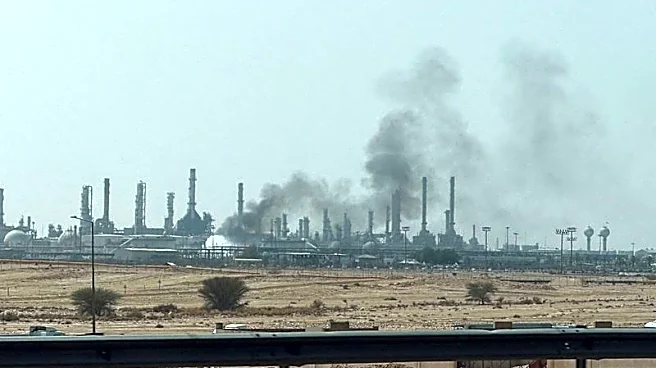
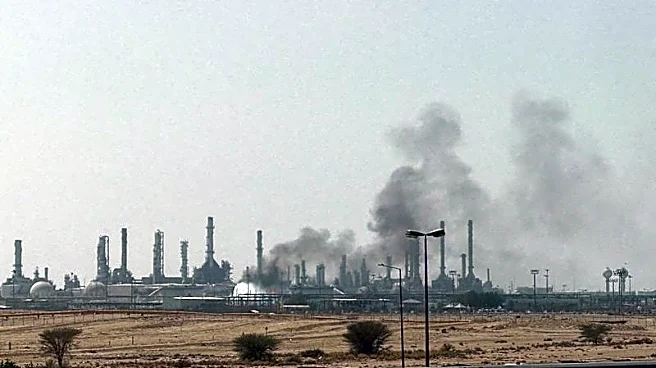
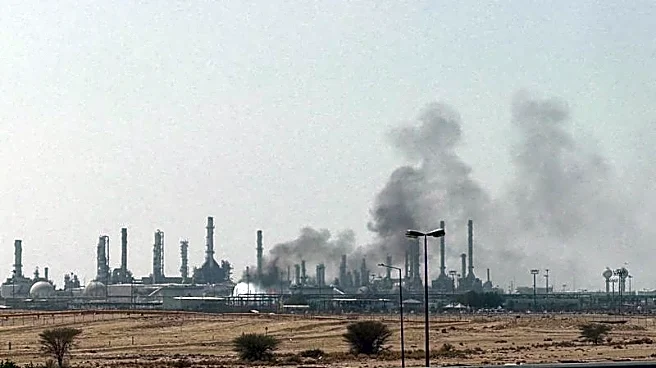
Drone warfare is fundamentally altering the economics and security of critical infrastructure, turning concentrated facilities into significant liabilities. Companies have historically prioritized scale and concentration for efficiency in power plants,
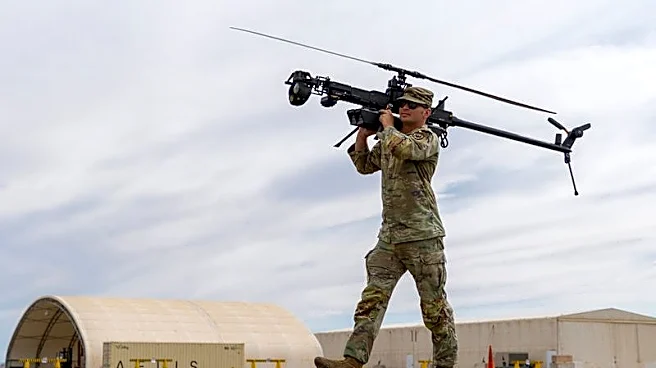
oil refineries, and data centers. However, inexpensive drones, costing less than $50,000, can bypass air defenses and easily target these large, centralized assets. This vulnerability has been demonstrated globally, with Ukrainian drones striking Russian energy facilities and Iranian-backed groups attacking infrastructure in the Middle East. In the U.S., the threat is also present, as evidenced by a 2024 FBI intervention preventing a domestic extremist from attacking an electrical substation with an explosives-laden drone. This new dynamic forces businesses and national security strategists to reconsider the balance between efficiency and resilience, as a single drone attack can cause massive disruption and economic damage.
Why It's Important?
This shift is critical for U.S. national security and economic stability. America's reliance on highly concentrated critical infrastructure, while efficient, now presents a significant vulnerability to drone attacks. The cost-effectiveness and accessibility of drone technology empower smaller adversaries or even individuals to challenge major powers, eroding the strategic advantages the U.S. has long enjoyed. Businesses that own and operate these assets face increased risk and potential catastrophic costs from shutdowns and repairs. This necessitates a re-evaluation of infrastructure design and investment, moving from optimizing for operational costs to optimizing for risk-adjusted costs. The potential for widespread power outages, disruptions to fuel supplies, or data center failures could have cascading effects across the economy and society, impacting everything from daily life to national defense capabilities.
What's Next?
Infrastructure operators and defense strategists must adapt by prioritizing resilience and diversification over sheer concentration. This involves exploring distributed capacity across multiple modular sites, even if it appears less efficient in traditional cost models. Geographic dispersion can reduce the target value of individual assets and limit overall productivity losses if one facility is compromised. Companies will need to invest in advanced drone detection and defense systems, as well as robust physical security measures. Policymakers may also consider new regulations or incentives to encourage more resilient infrastructure designs. Furthermore, intelligence agencies will likely increase efforts to monitor and counter drone threats from both foreign adversaries and domestic extremist groups, emphasizing the need for enhanced cybersecurity and physical security protocols for critical infrastructure.
Beyond the Headlines
The evolving threat from drone warfare highlights a broader paradigm shift in modern conflict, where technological asymmetry can empower non-state actors and smaller nations to challenge established powers. This raises ethical questions about the proliferation of drone technology and the ease with which it can be weaponized. Legally, there will be increasing pressure to develop international norms and regulations regarding drone use, particularly concerning attacks on civilian infrastructure. Culturally, there may be a growing public awareness and concern about the vulnerability of everyday services, potentially leading to demands for greater government and corporate accountability in protecting critical assets. This development also underscores the interconnectedness of national security and economic policy, as the resilience of infrastructure directly impacts both. The long-term implication is a potential re-architecture of industrial and energy systems towards more decentralized and hardened designs, fundamentally altering the physical landscape of modern economies.