




What's Happening?
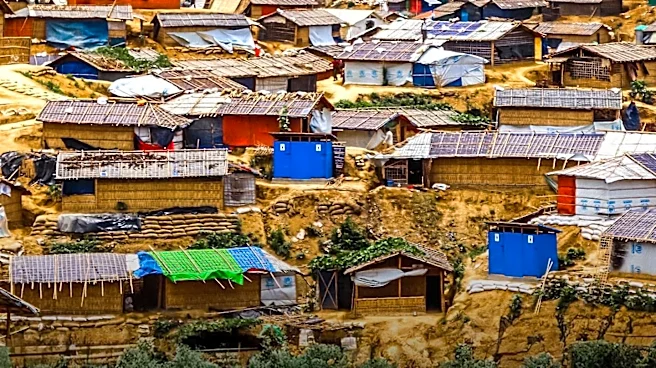
The Qatar Red Crescent Society (QRCS), in partnership with the Bangladesh Red Crescent Society (BDRCS), has initiated a new project to enhance shelter, protection, and living conditions for vulnerable Rohingya refugee families in Cox's Bazar district,
Bangladesh. The project, costing $517,877, aims to construct medium-term shelters and distribute non-food items to 704 refugee families, totaling 4,224 individuals. This initiative directly addresses critical challenges faced by refugees, including severe overcrowding, precarious shelter conditions, and frequent exposure to environmental hazards like monsoon rains, high winds, and fires. Engineer Mohamed Thabet Safi, head of QRCS's mission in Bangladesh, emphasized that the project is a practical humanitarian intervention designed to preserve the dignity of families and enable them to manage their daily lives by providing safe shelter and essential household supplies. Beneficiaries are selected based on eligibility and need, with priority given to female-headed households, persons with disabilities, older people, and children under six, ensuring that the most vulnerable receive support.
Why It's Important?
This project is crucial for improving the dire living conditions of Rohingya refugees in Bangladesh, a population that has faced prolonged displacement and humanitarian crises. The provision of stable, medium-term shelters and essential non-food items directly mitigates immediate risks such as exposure to harsh weather and disease, which are exacerbated by fragile living situations. By focusing on vulnerable groups like female-headed households and individuals with disabilities, the initiative ensures that those most at risk receive targeted support, enhancing their safety, privacy, and overall stability. The investment of over half a million dollars underscores the significant humanitarian commitment to addressing the long-term needs of this displaced community, moving beyond temporary relief to more sustainable solutions. This effort also highlights the ongoing international responsibility to support refugee populations who have limited prospects of returning to their home country safely.
What's Next?
QRCS and BDRCS will continue to implement the shelter construction and non-food item distribution, with ongoing field assessments to ensure fair selection and outreach to those most in need. The QRCS has also called for additional institutional and individual donations to fund a scheme providing blankets for 1,208 impoverished and refugee families in Cox's Bazar during winter, at a cost of QR 144,960. This indicates a continued focus on seasonal needs and broader humanitarian support. The long-term success of such initiatives will depend on sustained funding and international cooperation to address the root causes of displacement and ensure durable solutions for the Rohingya population.
Beyond the Headlines
The persistent need for shelter projects like this in Cox's Bazar underscores the protracted nature of the Rohingya refugee crisis, nearly a decade after the initial exodus. While providing essential physical infrastructure, the project also implicitly addresses the psychological and social well-being of refugees by restoring a sense of dignity and stability. The emphasis on rigorous beneficiary selection and high-standard implementation reflects a broader trend in humanitarian aid towards accountability and effectiveness. However, the reliance on humanitarian aid also highlights the lack of a permanent political solution for the Rohingya, leaving them in a state of prolonged dependency. This situation raises ethical questions about the international community's role in resolving statelessness and ensuring the fundamental rights of displaced populations beyond immediate relief.