


What's Happening?
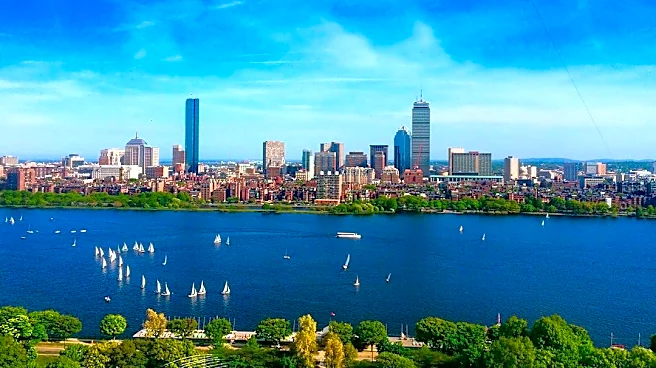
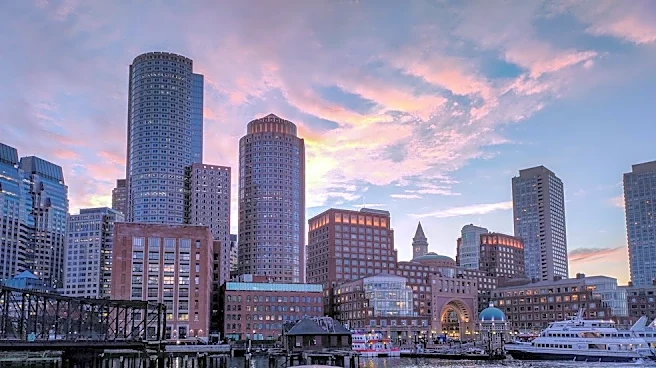
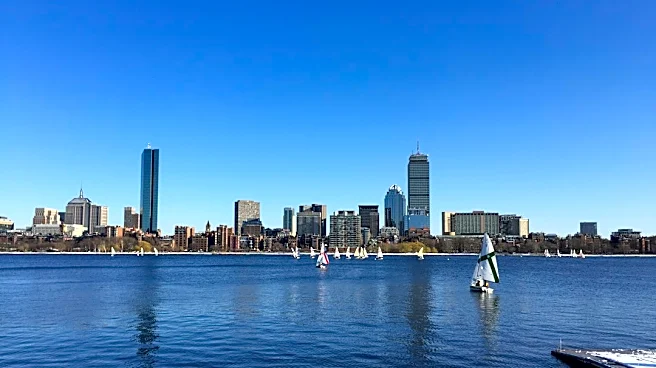
Boston is experiencing unseasonably warm temperatures, with highs in the 70s and 80s, marking a warm start to October. This warmth is expected to peak on Friday, with temperatures potentially reaching the 80s. However, this summer-like weather is temporary.
A significant cold front is anticipated to move into the region, bringing a sharp drop in temperatures. By the middle of next week, highs are projected to fall into the 50s, and the suburbs are likely to experience the season's first frost by Wednesday morning. The current warm spell follows several days of overcast skies due to lingering moisture and saturated soil.
Why It's Important?
This weather pattern is significant for Boston residents and businesses, particularly those in agriculture or outdoor industries. The sudden shift from warm to cold temperatures can impact seasonal activities, energy consumption, and even public health. For instance, the first frost can affect gardening and farming, while the need for heating will increase, potentially leading to higher utility costs. The fluctuating temperatures also highlight the variability of autumn weather in New England, which can pose challenges for planning and resource management. Businesses reliant on outdoor foot traffic or events may need to adjust their operations in response to the changing conditions.
What's Next?
Residents should prepare for a rapid transition to cooler, more seasonal weather. The warm conditions are expected to persist through Friday, with a cool-down beginning over the weekend. Showers are forecast for Sunday evening and early Monday before the significant cold front pushes offshore. The most notable change will occur by the middle of next week, with temperatures dropping into the 50s and the likelihood of the first frost in suburban areas. This will necessitate adjustments in clothing, home heating, and outdoor activities, signaling the definitive arrival of colder autumn weather.
Beyond the Headlines
The dramatic swing in temperatures, from unseasonably warm to the season's first frost, can be viewed within the broader context of climate variability. While a single event does not define a trend, such fluctuations can influence public perception and discussions around climate patterns. For local ecosystems, a sudden frost after a warm spell can impact plant life and wildlife behavior. From a societal perspective, these weather shifts can subtly influence daily routines, local commerce, and even public discourse on environmental changes, prompting communities to consider long-term adaptation strategies for increasingly unpredictable weather patterns.