






What's Happening?
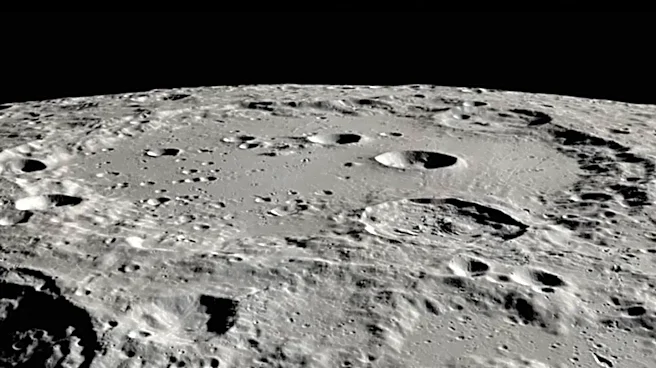
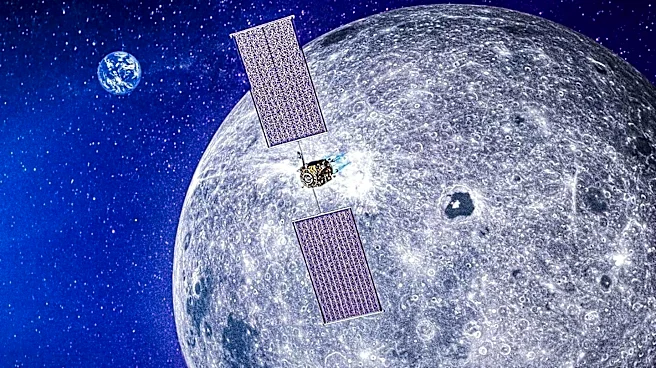
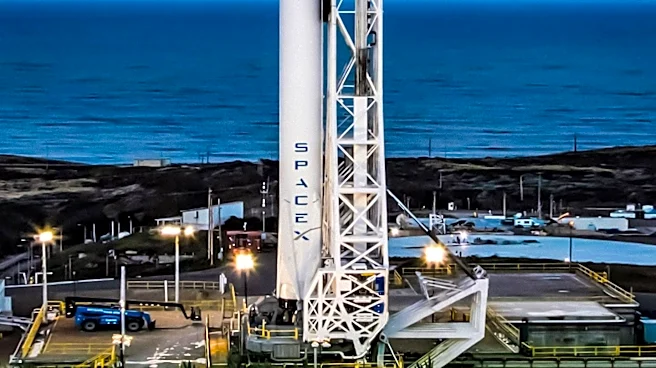
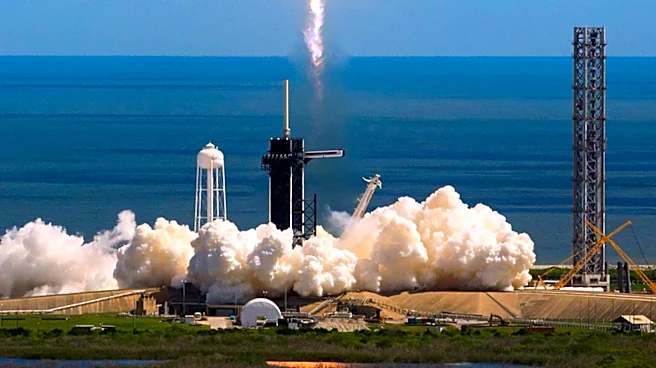
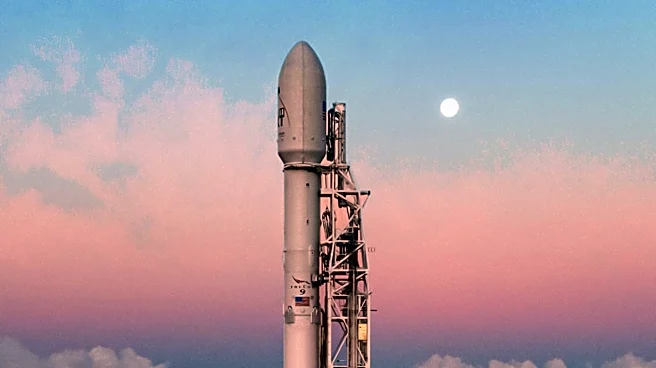
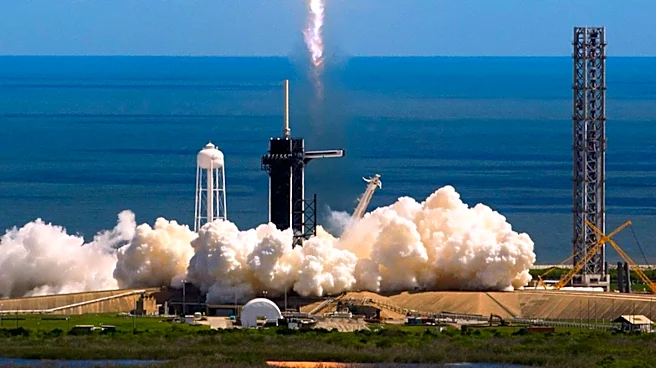
The Korea Aerospace Research Institute (KARI) has released the first images of the crater left by a SpaceX Falcon 9 rocket stage that crashed into the moon. The Danuri lunar orbiter captured these images, showing a new crater on the lunar surface. The rocket,
which launched in January 2025, was on an unstable orbit for over a year before impacting the moon. SpaceX explained that controlled deorbiting was not possible for this mission due to its high-energy trajectory. The images provide visual evidence of the impact, which was predicted by astronomers.
Why It's Important?
The incident highlights the challenges of managing space missions and the potential for unintended impacts on celestial bodies. It underscores the need for careful planning and execution of space missions to prevent uncontrolled debris. The images serve as a reminder of the complexities involved in space exploration and the importance of international collaboration in monitoring and managing space activities. The event also raises questions about the long-term sustainability of space exploration and the need for responsible practices.
What's Next?
NASA and other space agencies are expected to continue monitoring the impact site for further analysis. The incident may prompt discussions on improving protocols for deorbiting space vehicles and managing space debris. As space exploration advances, there will likely be increased emphasis on developing technologies and strategies to minimize the environmental impact of space missions. Collaboration between international space agencies will be crucial in addressing these challenges and ensuring the safe and sustainable use of space.