





What's Happening?
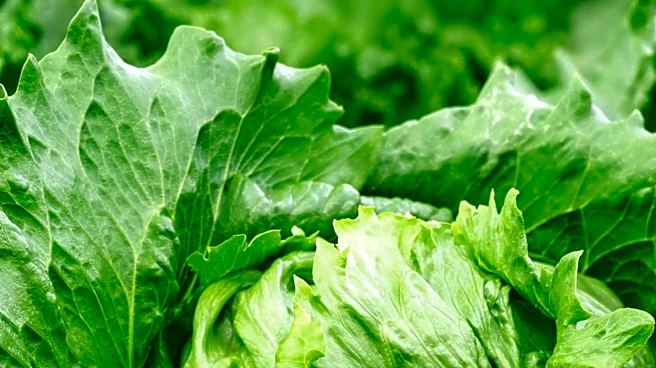
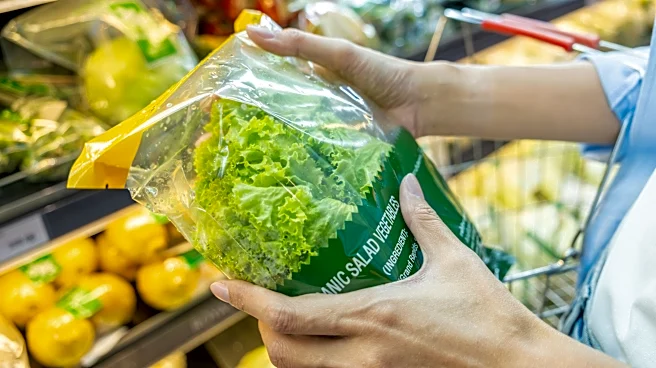
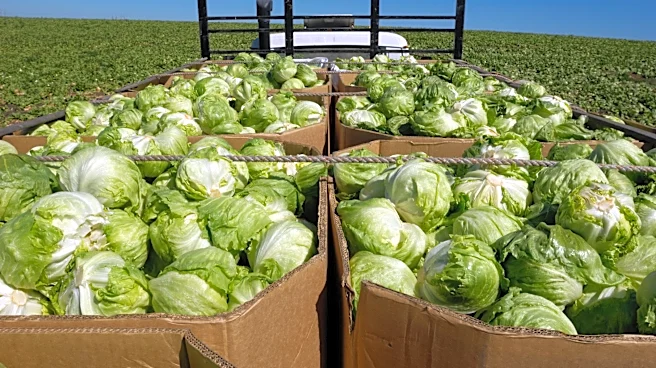
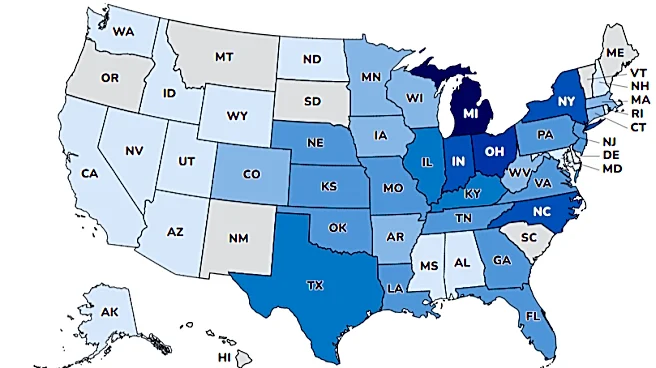
The Oregon Health Authority has reported two cases of Cyclospora infections in the state, potentially linked to a national outbreak associated with pre-shredded iceberg lettuce. The affected individuals had traveled to other states involved in the recall.
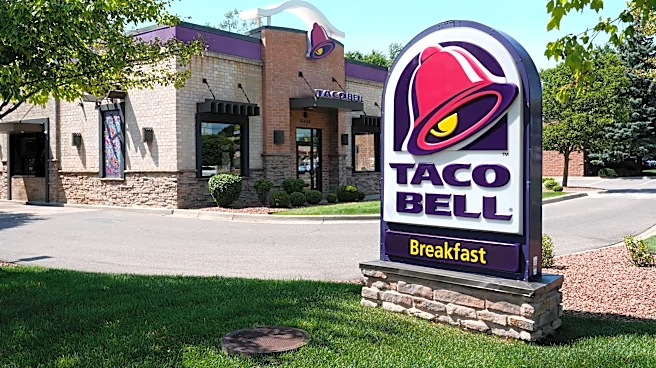
Despite these cases, officials maintain that the risk to the public remains low, as no unusual increase in cyclosporiasis cases has been detected in Oregon. This year, 23 cases have been reported in the state. The outbreak was initially connected to Taco Bell restaurants, and the Centers for Disease Control and Prevention, along with the Food and Drug Administration and state health officials, are tracing the lettuce supply and interviewing affected individuals. The products have not been distributed in Oregon, but further cases are anticipated among travelers to affected areas.
Why It's Important?
This development highlights the ongoing challenges in managing food safety and public health. The potential link between the Cyclospora cases and a national lettuce recall underscores the importance of effective supply chain monitoring and rapid response to foodborne illness outbreaks. The involvement of major health agencies like the CDC and FDA in tracing the outbreak reflects the seriousness of the situation. For consumers, this incident serves as a reminder of the risks associated with foodborne pathogens and the need for vigilance in food consumption, especially when traveling. The economic impact on the food industry, particularly suppliers and retailers of the affected products, could be significant, affecting sales and consumer trust.
What's Next?
Health officials expect additional cases linked to the outbreak, particularly among those who have traveled to affected areas. Ongoing investigations by the CDC, FDA, and state health departments aim to identify all products involved in the outbreak and prevent further spread. Public health advisories may be issued to inform consumers about safe food handling practices and potential risks. The food industry may also implement stricter quality control measures to prevent future incidents. Stakeholders, including health agencies and food suppliers, will likely continue to collaborate to address the outbreak and mitigate its impact.