







What's Happening?
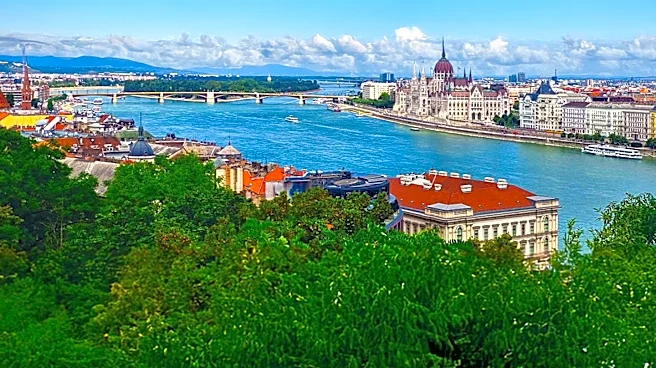
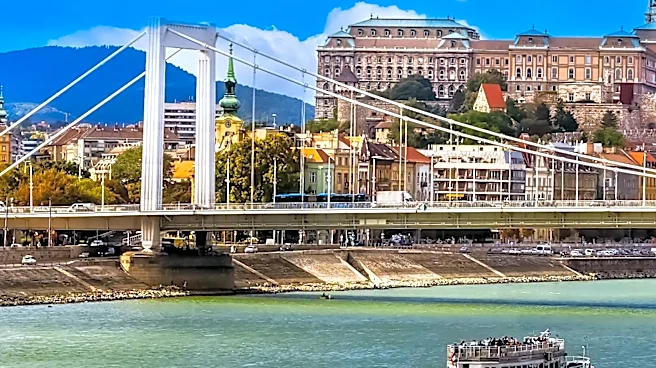
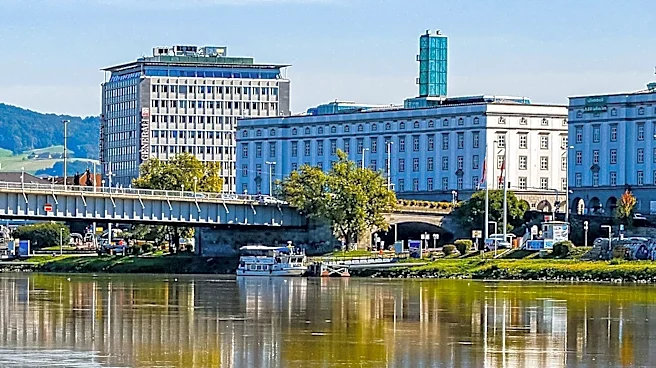
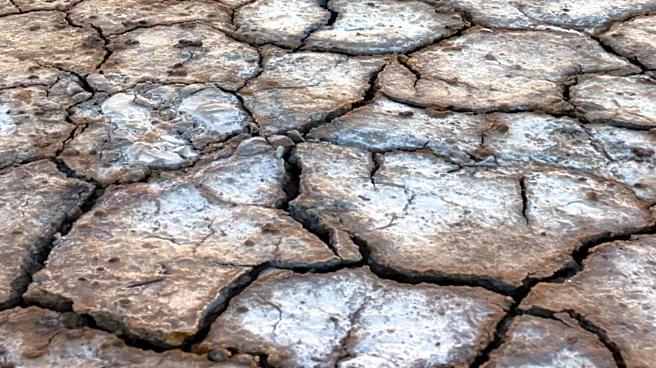
The Danube River, a major European waterway, has reached unprecedented low levels due to a prolonged drought, affecting tourism and industry across Central Europe. The river's receding waters have exposed rocks, sand bars, and shipwrecks, disrupting boat
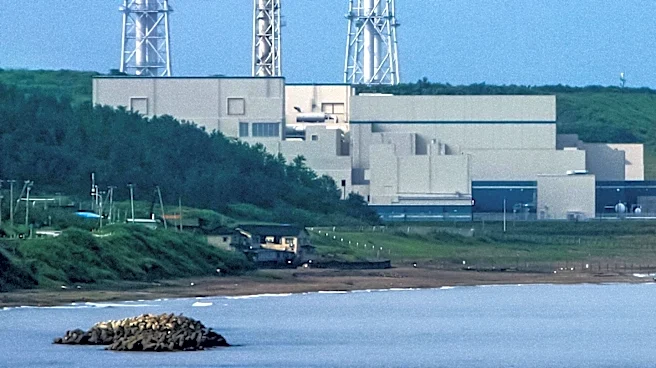
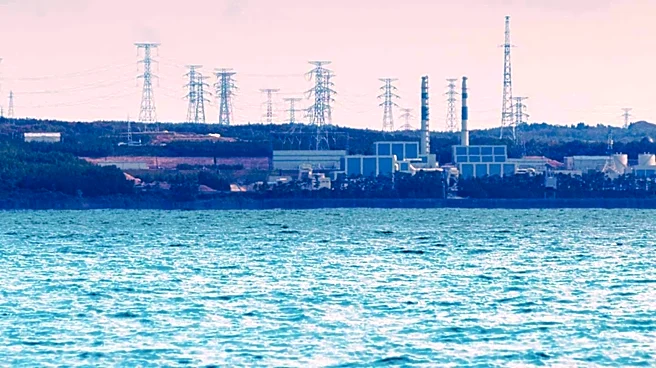
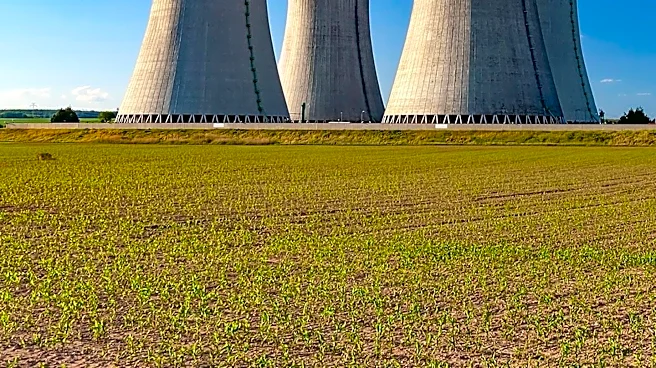
traffic and forcing nuclear plant shutdowns due to insufficient cooling water. In Hungary, the river's water level dropped to 23 centimeters, significantly below previous records. The drought has also led to the grounding of cruise ships and halted cargo operations, impacting the region's economy and highlighting the effects of climate change.
Why It's Important?
The situation underscores the vulnerability of critical infrastructure to climate change, with significant economic implications for industries reliant on the Danube. The disruption of tourism and shipping activities affects local economies and highlights the need for adaptive strategies to mitigate climate impacts. The shutdown of nuclear reactors due to low water levels also raises concerns about energy security in the region. As climate change continues to alter weather patterns, similar challenges may become more frequent, necessitating coordinated international responses to manage water resources and protect economic interests.
What's Next?
With no significant rainfall forecasted, the Danube's water levels are expected to remain low, prolonging the disruption to tourism and industry. Authorities may need to implement water management strategies to address the ongoing drought and its impacts. The situation could prompt discussions on climate adaptation measures and infrastructure investments to enhance resilience against future climate-related disruptions. Regional cooperation may be necessary to develop sustainable solutions for managing shared water resources and mitigating economic losses.
Beyond the Headlines
The drought's impact on the Danube highlights broader environmental and economic challenges posed by climate change. It serves as a reminder of the interconnectedness of natural systems and human activities, emphasizing the need for integrated approaches to environmental management. The exposure of historical artifacts and shipwrecks also presents opportunities for archaeological research, offering insights into the region's history. However, the situation also poses risks, such as the potential for hazardous materials to be uncovered, requiring careful management to prevent environmental harm.