




What's Happening?
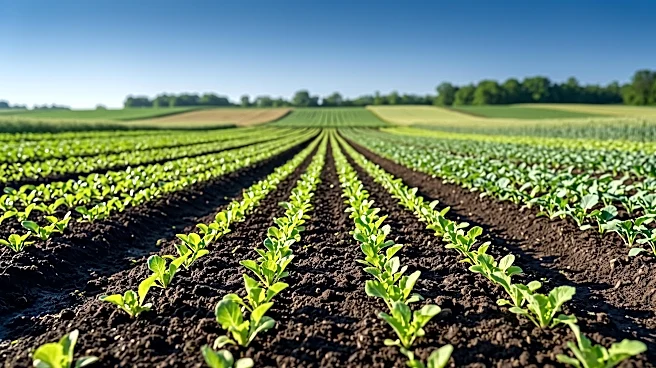
Veganic farming, a practice focused on animal-free alternatives, is emerging as a key component in broader efforts to reduce land footprints and promote sustainable living. This approach emphasizes ethical principles, daily choices, and compassionate
living by avoiding animal products in agricultural processes. Research indicates that dietary shifts, including vegan and vegetarian patterns, combined with waste reduction, significantly decrease land usage. This reduction in land demand can free up surplus land for critical environmental initiatives such as renewable energy development and ecological restoration. While organic farming scenarios generally require more land due to lower yields, they also exhibit reduced management-related emissions per hectare. The concept of veganic farming aligns with the growing interest in plant-based diets and their potential to positively impact the environment and animal welfare.
Why It's Important?
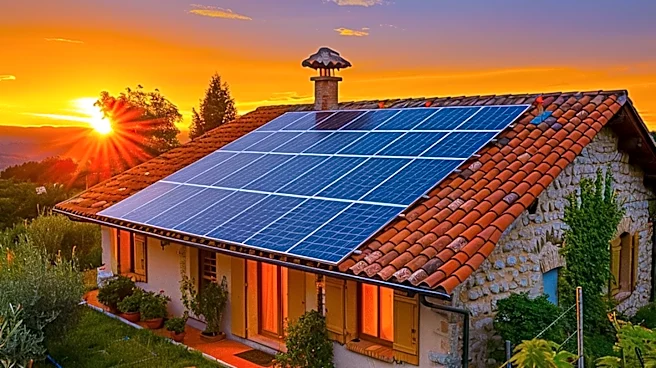
The shift towards veganic farming and plant-based diets holds significant implications for U.S. industries, public policy, and environmental sustainability. By reducing the land footprint associated with food production, this approach can alleviate pressure on natural resources and contribute to climate change mitigation. The expansion of surplus land for renewable energy, particularly wind and photovoltaic, offers a viable path to meeting regional energy demands while preserving areas for carbon sequestration and biodiversity. This could lead to new investment opportunities in renewable energy infrastructure and sustainable agricultural technologies. Furthermore, the ethical considerations embedded in veganic farming resonate with a growing segment of consumers, potentially influencing food production and consumption patterns across the nation. Businesses in the food sector may need to adapt to these evolving consumer preferences by offering more plant-based options and exploring animal-free supply chains.
What's Next?
The future of veganic farming will likely involve continued research into its specific practices and outcomes, as current sources do not provide definitive answers on these aspects. There is an anticipated increase in the availability and promotion of plant-based meals in various settings, including schools, hospitals, and public institutions, as the demand for animal-free options grows. This trend suggests that institutions may need to re-evaluate their menu offerings to be more inclusive and sustainable. Additionally, the broader animal rights movement will continue to advocate for the adoption of animal-free alternatives, pushing for greater transparency and ethical considerations in food production. The success of veganic farming will depend on its ability to demonstrate scalability, economic viability, and nutritional adequacy, which will require ongoing innovation and collaboration among farmers, researchers, and policymakers.
Beyond the Headlines
Beyond the immediate environmental and economic benefits, the rise of veganic farming and plant-based lifestyles touches upon deeper ethical and cultural dimensions. It challenges traditional perceptions of food production and consumption, prompting a re-evaluation of humanity's relationship with animals and the environment. The increasing prevalence of plant-based options, even in non-vegan restaurants, indicates a cultural shift where veganism is moving from a niche lifestyle to a more mainstream consideration. This evolution could lead to a redefinition of what constitutes a 'standard' meal, potentially making plant-based choices the default rather than an exception. The ethical imperative to reduce animal suffering, coupled with the environmental urgency of climate change, positions veganic farming as a significant catalyst for long-term societal transformation in how food is produced, distributed, and consumed.