








What's Happening?
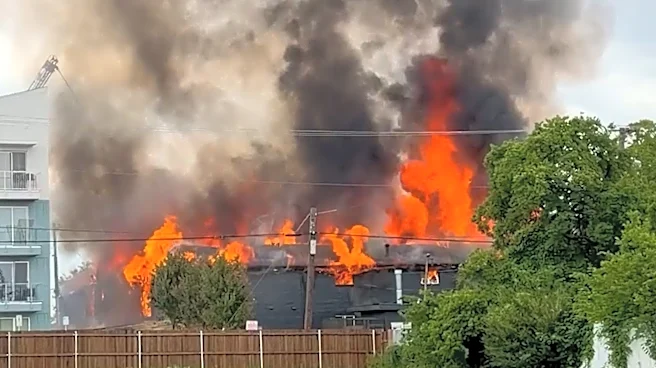
An explosion at a building site in Dallas has prompted an investigation into whether proper procedures were followed during a drilling project. The explosion occurred after a natural gas line was struck, raising questions about compliance with safety
protocols. A key aspect of the investigation is determining if the required utility location service, known as 8-1-1, was contacted before excavation began. This service is mandated by law to prevent such incidents by ensuring that underground utilities are properly marked before any digging occurs. Investigators are currently examining the sequence of events leading up to the explosion to ascertain if there was a failure to adhere to these safety measures.
Why It's Important?
The investigation into the Dallas explosion underscores the critical importance of adhering to safety protocols in construction and excavation projects. Failure to contact utility location services like 8-1-1 can lead to catastrophic incidents, endangering lives and causing significant property damage. This event highlights the potential risks associated with non-compliance and the need for stringent enforcement of safety regulations. The outcome of this investigation could have broader implications for construction practices and regulatory oversight, potentially leading to stricter enforcement and penalties for non-compliance. It also serves as a reminder to contractors and developers of the importance of following established safety procedures to prevent similar incidents in the future.
What's Next?
As the investigation continues, authorities will likely focus on gathering evidence to determine whether there was a breach of protocol. This may involve reviewing communication records, interviewing personnel involved in the project, and examining the site for compliance with safety standards. Depending on the findings, there could be legal and financial repercussions for those responsible. Additionally, the incident may prompt a review of current regulations and enforcement practices, potentially leading to policy changes aimed at preventing future occurrences. Stakeholders in the construction industry will be closely monitoring the investigation's outcome, as it may influence future safety practices and regulatory requirements.